Beyond the Bling: Deconstructing Modern Luxury Success Stories for Actionable Insights
Explore the strategic underpinnings of contemporary luxury's most compelling success stories. This analysis delves into the innovative approaches and adaptive strategies employed by brands and entrepreneurs who are redefining opulence, offering actionable insights for aspiring leaders and service providers in this dynamic sector.
The Evolving Landscape of Luxury Success: A Monaco Academy Perspective
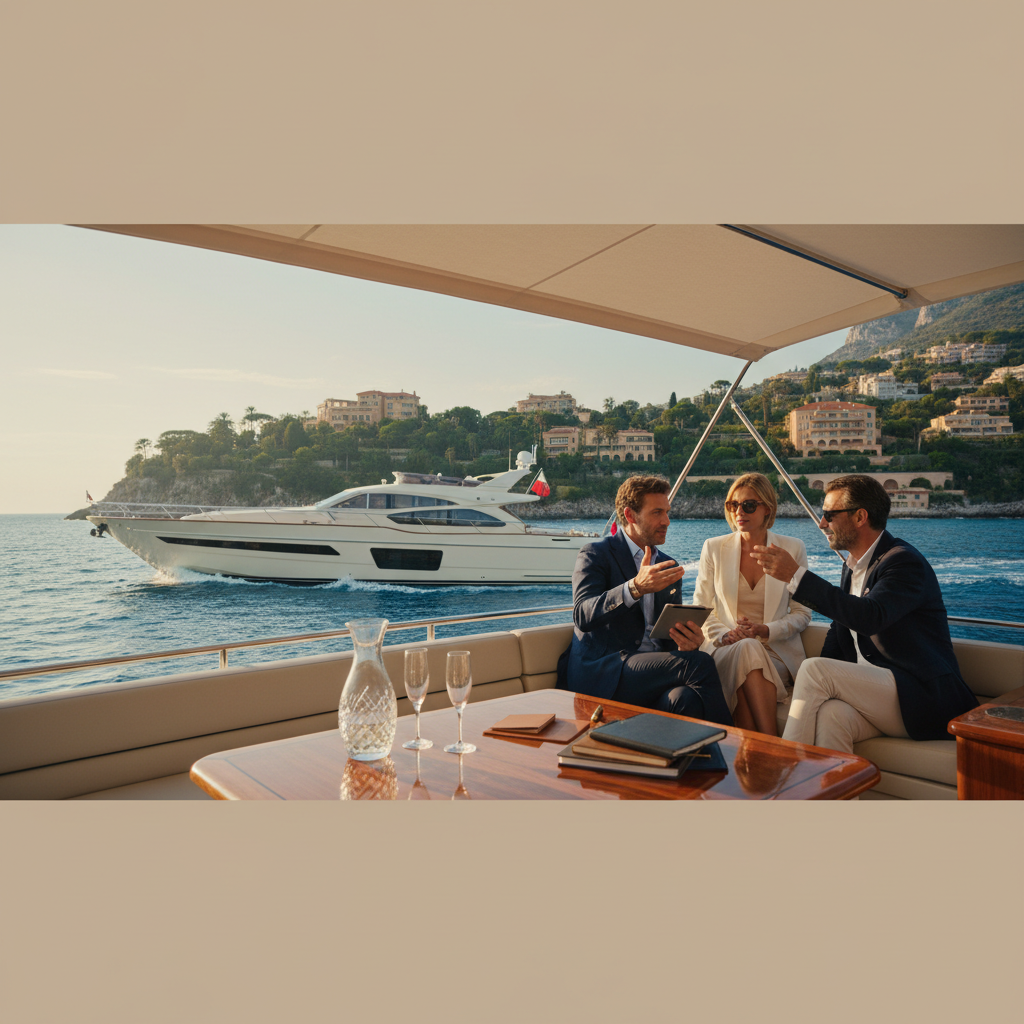
In the rarefied echelons of global commerce, the definition of success in the luxury sector is undergoing a profound metamorphosis. No longer is it solely about exclusivity or heritage; today's triumphs are forged in a crucible of innovation, sustainability, and profound client understanding. For ambitious professionals, seasoned advisors, and discerning entrepreneurs operating within this prestigious domain, deconstructing modern luxury success stories offers invaluable actionable insights into cultivating enduring prestige and profitability. At Monaco Academy, we observe these shifts intently, recognizing that the future leaders of luxury must be equipped not just with foundational knowledge but with a keen foresight into emerging trends and strategic imperatives.
The Principality of Monaco, itself a beacon of luxury and innovation, provides a unique vantage point from which to study these dynamics. Here, opulence meets forward-thinking enterprise, where traditional values are often fused with cutting-edge approaches to business and client engagement. This confluence makes it an ideal environment for understanding the nuances of high-end markets and the strategic elements that elevate certain ventures from mere aspiration to resounding success. Our analysis delves into the underlying currents shaping today's luxury triumphs, moving beyond superficial narratives to identify the strategic pillars that support true excellence.
The New Pillars of Prestige: Key Trends in Luxury Success
Modern luxury success is rarely accidental. It is the culmination of deliberate strategy, meticulous execution, and a deep resonance with evolving consumer values. Several key trends consistently emerge from the most compelling success stories:
- Hyper-Personalisation and Bespoke Experiences: Moving beyond mere customisation, true hyper-personalisation involves anticipating needs and curating experiences so unique they become integral to the client's identity. This requires sophisticated data analysis, intuitive client relationship management, and an unwavering commitment to individual preferences.
- Sustainability and Ethical Sourcing: The discerning luxury consumer of today demands more than just exquisite products; they seek brands that reflect their values. Transparency in sourcing, ethical production practices, and a genuine commitment to environmental stewardship are no longer optional but fundamental drivers of brand loyalty and reputation.
- Digital Transformation and Experiential E-commerce: While physical presence remains crucial, luxury brands are mastering digital platforms not just for sales but for creating immersive, branded experiences online. This includes virtual try-ons, AI-powered concierge services, and sophisticated content strategies that tell a compelling story.
- Community Building and Brand Storytelling: Successful luxury brands cultivate a sense of belonging and shared values among their clientele. Authentic storytelling, which articulates heritage, craftsmanship, and purpose, fosters emotional connections that transcend transactional relationships.
- Strategic Alliances and Cross-Sector Innovation: Collaboration with unexpected partners – from technology start-ups to artists and environmental organisations – can unlock new avenues for innovation, broaden appeal, and reinforce a brand's contemporary relevance.
Case Study 1: The Artisan Jeweller Redefining Transparency
Consider a hypothetical artisan jeweller, 'Aura Gemmes', which achieved remarkable growth in a saturated market. Their success wasn't built on flash or celebrity endorsements but on an absolute commitment to transparency. Every gemstone was meticulously traceable, with a digital ledger accessible to clients detailing its origin, ethical mining practices, and journey from mine to master craftsman. This level of detail, coupled with a beautiful narrative of empowering local communities, resonated deeply with affluent consumers concerned about provenance and ethical consumption.
Aura Gemmes invested heavily in their luxury brand management, ensuring that their message of integrity was consistent across all touchpoints – from their minimalist boutique designs to their interactive website. They offered exclusive 'discovery workshops' where clients could meet the designers and learn about the intricate process, transforming a purchase into an educational and deeply personal experience. This approach fostered an almost cult-like following, proving that authenticity, when backed by verifiable practices, is a powerful currency in the luxury world.
Case Study 2: The Bespoke Aviation Service Innovating Client Experience
Another compelling success story emerges from the private aviation sector. 'SkyLuxe Charters' carved out a significant market share not by competing on price, but by elevating the concept of bespoke travel to an unprecedented level. Their secret lay in a predictive client service model, leveraging AI and human insight to anticipate individual preferences even before a booking was made.
Each client was assigned a dedicated luxury lifestyle concierge who managed every aspect of their journey, from specific dietary requirements to preferred cabin temperatures and in-flight entertainment. Before each flight, SkyLuxe’s team meticulously curated the cabin environment, often surprising clients with subtle touches reflecting recent conversations or stated preferences. Their operational excellence extended to seamless ground transfers, preferential access at airports, and even curated experiences at destinations. This holistic, anticipatory service transformed private air travel from a convenience into an extension of the client's preferred lifestyle, fostering unparalleled loyalty.
The Strategic Imperatives for Sustained Success
These success stories, while diverse in their industries, share common strategic imperatives that aspiring leaders and established entities must embrace to thrive in the modern luxury landscape:
Cultivating Unrivalled Client Insight
Understanding the luxury client goes far beyond demographic data. It involves delving into psychographics, lifestyle choices, values, and even aspirations. Successful brands invest in sophisticated CRM systems and dedicated client relationship managers who act as trusted advisors rather than mere salespeople. This deep insight enables them to anticipate needs, personalise offerings, and build enduring relationships based on trust and mutual respect. For those in wealth and investment management, this translates into bespoke financial strategies; for luxury hoteliers, it means crafting environments and services that feel uniquely tailored to each guest.
Effective client insight also extends to understanding generational shifts. While older HNWI may value heritage and discretion, younger affluent consumers often prioritise ethical considerations, digital seamlessness, and unique, shareable experiences. A successful luxury strategy must be agile enough to cater to this diverse spectrum of preferences, ensuring that brand relevance is maintained across different cohorts without diluting its core identity.
Embracing Innovation with a Purpose
Innovation in luxury is not about novelty for its own sake, but about enhancing the client experience, improving sustainability, or streamlining operations in a way that preserves exclusivity and quality. This could manifest in sustainable materials research for fashion houses, blockchain for authenticity in art and collectibles, or advanced AI for predictive service in hospitality. The key is to integrate new technologies and methodologies seamlessly, ensuring they serve the luxury ethos rather than detract from it.
An innovative mindset also means being open to exploring new business models. Subscription services for luxury goods, fractional ownership of high-value assets, or 'experience-as-a-service' models are all examples of how the luxury sector is adapting to evolving consumer desires for access over ownership, and curated experiences over mere possessions. This requires a certain entrepreneurial daring, balanced with a deep understanding of market dynamics and client expectations.
Mastering the Art of Digital Storytelling and Engagement
The digital realm is no longer just a sales channel; it is a critical platform for brand building, community engagement, and storytelling. Luxury brands must master sophisticated digital marketing strategies that convey their exclusivity and craftsmanship without losing their aspirational allure. This involves high-quality visual content, immersive virtual experiences, and strategic partnerships with influencers who align with the brand's values.
Consider the growth of luxury brands leveraging platforms like Instagram or WeChat for direct engagement with clients, offering exclusive previews or behind-the-scenes content. The challenge lies in maintaining an air of exclusivity while being broadly accessible digitally. This often involves creating gated communities, offering members-only content, or utilising highly personalised digital outreach. The balance is delicate, but essential for capturing the attention of a digitally native luxury consumer while preserving the brand's mystique.
Prioritising Ethical Leadership and Sustainability
As highlighted in Monaco's Green Horizon, ethical leadership and environmental stewardship are increasingly central to luxury brand success. Consumers are scrutinising not just the product but the entire supply chain, from raw materials to labour practices. Brands that genuinely commit to sustainability, implement circular economy principles, and contribute positively to society are building a more resilient and respected future.
This commitment must be authentic and verifiable, extending beyond mere marketing rhetoric. It involves significant investment in research and development for sustainable materials, transparent reporting on environmental impact, and fostering a corporate culture that champions ethical practices at every level. Brands that embrace this proactive approach are not only meeting consumer demand but are also positioning themselves as leaders in a rapidly evolving global ethical landscape.
The Role of Education in Shaping Future Luxury Leaders
For individuals aspiring to lead or advise within the luxury sector, formal education and continuous professional development are indispensable. The complexities of global markets, the nuances of ultra-high-net-worth client psychology, and the rapid pace of technological change demand a sophisticated skill set.
Monaco Academy offers tailored programmes designed to equip professionals with these critical competencies. For instance, understanding the intricate world of luxury yacht management requires not just business acumen but a deep appreciation for bespoke service, international regulations, and asset preservation. Similarly, navigating the high-stakes world of luxury art dealership demands expertise in connoisseurship, market analysis, and ethical practices.
Our curriculum is meticulously crafted to bridge theoretical knowledge with practical, real-world application, drawing lessons from established success stories and anticipating future trends. This holistic approach ensures that our graduates are not just observers but active shapers of the luxury landscape.
Developing a Global Mindset and Cultural Fluency
The luxury market is inherently global, with diverse cultural preferences and economic dynamics influencing consumer behaviour. A successful luxury professional must possess a global mindset and a high degree of cultural fluency. This means understanding how luxury is perceived in different regions, adapting marketing strategies accordingly, and navigating international regulations and business customs.
For example, what signifies luxury in the Middle East might differ significantly from perceptions in Asia or Europe. Sensitivity to these cultural nuances is critical for effective communication, brand positioning, and ultimately, market penetration. Monaco Academy's international faculty and student body foster this global perspective, preparing leaders to operate seamlessly across borders.
The Power of Networking and Strategic Partnerships
In luxury, relationships are paramount. Building a robust network of peers, mentors, and industry leaders is crucial for career advancement and business development. Strategic partnerships can unlock new markets, foster innovation, and provide access to exclusive opportunities. Our programmes emphasise the importance of networking, offering unparalleled access to a community of like-minded professionals and industry experts.
Whether it is through exclusive events, collaborative projects, or alumni associations, the connections forged at institutions like Monaco Academy often prove to be invaluable assets throughout a professional's career. These networks provide a platform for knowledge exchange, mentorship, and the formation of strategic alliances that drive future success stories.
The Future of Luxury: Adaptability and Agility
The overarching lesson from contemporary luxury success stories is the critical importance of adaptability and agility. The market is dynamic, influenced by geopolitical shifts, technological advancements, and evolving consumer values. Brands and professionals who can pivot quickly, embrace change, and continuously innovate are those most likely to thrive.
This requires a leadership style that is both visionary and pragmatic, capable of inspiring teams while also navigating complex operational challenges. It means fostering a culture of continuous learning and improvement, where market feedback is not just heard but acted upon decisively. As highlighted in Mastering Agile Strategy, success is increasingly tied to the ability to respond to disruption with strategic precision.
The luxury sector, for all its timeless appeal, is also at the forefront of innovation. The brands that are achieving remarkable success today are those that understand this paradox: honouring heritage while boldly embracing the future. They are not merely selling products or services; they are curating lifestyles, fostering communities, and embodying values that resonate with a highly discerning global clientele.
Conclusion: Crafting Your Own Luxury Success Narrative
The deconstruction of modern luxury success stories reveals a clear blueprint for aspiring professionals and established entities alike: cultivate deep client insight, innovate with purpose, master digital engagement, and lead with unwavering ethical conviction. These are not merely suggestions but strategic imperatives that define the contemporary luxury landscape.
At Monaco Academy, we are committed to nurturing the next generation of luxury leaders who will not only understand these principles but also embody them, crafting their own narratives of success within this captivating and ever-evolving industry. The journey to excellence in luxury is continuous, demanding foresight, resilience, and a relentless pursuit of the extraordinary. By embracing these lessons, you too can shape a future of unparalleled achievement in the world of luxury.
Tagged
Written by
Monaco Academy Editorial
Editorial Team
Put this into practice
Courses and programs on this subject

Luxury Watch Dealership Course
Become a Certified Luxury Watch Dealer, mastering the intricate world of haute horlogerie sales and bespoke client service.
Luxury Transportation Entrepreneur Course
Become a Certified Luxury Transportation Entrepreneur, mastering business acumen and operational excellence for high-end clientele.

Luxury Influencer Business Course
Become a Certified Luxury Influencer Entrepreneur, mastering brand partnerships, content creation, and monetization in the high-end market.
Related programs
Continue reading
Related articles
19 October 2026 · 12 min
Beyond the Hype: Deconstructing Hermes' Enduring Success in the Age of Fleeting Trends
In an era defined by rapid cycles and fleeting fads, Hermes stands as a testament to timeless luxury. This in-depth case study meticulously unpacks the strategic pillars behind Hermes' unparalleled longevity and sustained allure, offering invaluable insights for luxury professionals, entrepreneurs, and HNWI advisors navigating an ever-evolving market. Discover how meticulous craftsmanship, brand narrative, and client relationship management coalesce to create enduring value, providing a blueprin

06 October 2026 · 11 min
Beyond the Bling: Deconstructing Modern Luxury Success Stories for Actionable Insights
In an era of rapid transformation, discerning professionals, entrepreneurs, and HNWI advisors must look beyond superficial glamour to understand the strategic underpinnings of enduring luxury success. This article delves into contemporary luxury brand triumphs, offering a nuanced trend analysis with concrete examples to illuminate pathways for sustained growth and innovation.
24 September 2026 · 11 min
Beyond the Hype: Deconstructing Hermes' Enduring Success in the Age of Fleeting Trends
In a world of ephemeral luxury trends, Hermes stands as a testament to timeless craftsmanship, strategic scarcity, and unwavering brand integrity. This in-depth case study unpacks the enduring success strategies that allow the Parisian maison to not just survive but thrive, offering invaluable lessons for aspiring luxury professionals and business leaders.