
Luxury Industries News and Insights — trend analysis with concrete examples
The luxury industry, a dynamic and ever-evolving landscape, continues to redefine itself amidst a confluence of global shifts. From technological advancements to evolving consumer values, the past few months have presented a myriad of fascinating developmen…
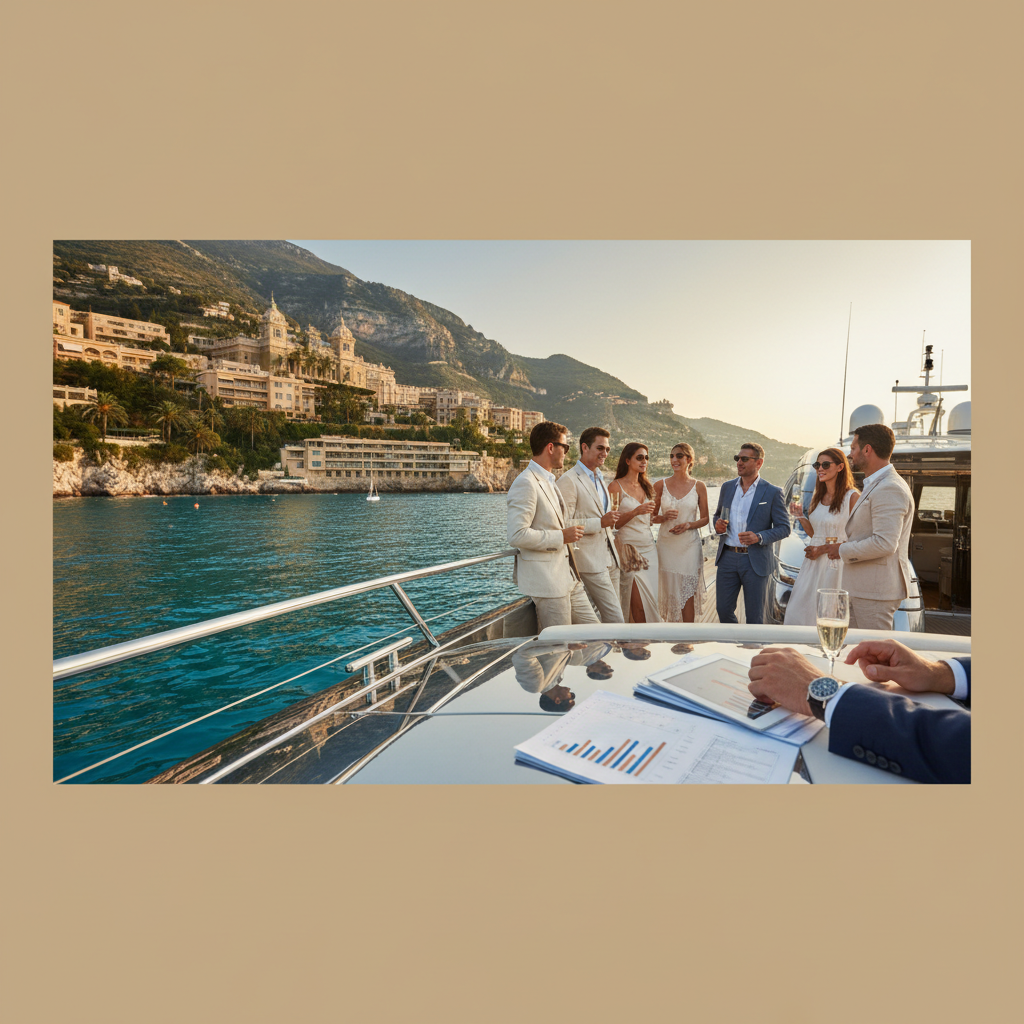
The luxury industry, a dynamic and ever-evolving landscape, continues to redefine itself amidst a confluence of global shifts. From technological advancements to evolving consumer values, the past few months have presented a myriad of fascinating developments. For discerning professionals, advisors, entrepreneurs, and High Net Worth Individuals (HNWIs) connected to this sphere, understanding these trends is not merely academic; it is foundational to strategic decision-making and sustainable growth. This analysis will delve into recent significant trends, offering concrete examples that illustrate the sector's current trajectory and future potential.
Shifting Sands of Consumer Behaviour: The Primacy of Purpose and Personalisation
One of the most profound shifts observed in the luxury sector is the evolving psyche of the high-net-worth consumer. No longer content with mere ostentation, today's luxury clientele actively seeks products and experiences that resonate with their personal values and offer a deeper sense of meaning. This pivot towards conscientious consumption and hyper-personalisation is reshaping product development, marketing strategies, and brand narratives across the board.
The Rise of Ethical Allure: Sustainability as a Non-Negotiable
Sustainability has transitioned from a niche concern to a core expectation within luxury. Consumers are increasingly scrutinising brands' environmental and social impact, demanding transparency and verifiable ethical practices. This extends beyond raw materials to encompass the entire supply chain, from sourcing and manufacturing to packaging and logistics.
For instance, Kering Group, a pioneer in sustainable luxury, continues to invest heavily in regenerative agriculture and circular economy initiatives for its brands like Gucci and Saint Laurent. Their recent announcement regarding a new program to secure a more responsible supply chain for cashmere demonstrates a commitment that permeates every level of their operation. This reflects a broader industry movement where brands are not just adopting sustainable practices, but integrating them into their core identity, differentiating themselves in a crowded market. Similarly, the watch industry has seen brands like Panerai championing innovative recycled materials, not just as a marketing ploy but as a genuine commitment to reducing their ecological footprint.
Furthermore, the demand for traceability is growing. Blockchain technology is beginning to play a significant role here, offering immutable records of a product's journey from origin to consumer. Brands exploring this technology are providing an unprecedented level of transparency, appealing to a consumer base that values authenticity above all else. This move also aligns with the broader push towards responsible luxury, showcasing a brand's commitment to ethical sourcing and production. For an in-depth look at sustainability trends, explore our article on Monaco's Green Horizon: Pioneering Sustainable Luxury and Environmental Stewardship.
Hyper-Personalisation and Bespoke Experiences
Beyond ethical considerations, the modern luxury consumer craves unparalleled personalisation. Mass-produced luxury is losing its lustre, replaced by a desire for bespoke creations and experiences tailored to individual tastes and preferences. This trend extends far beyond monograms on bags; it encompasses custom-designed garments, personalised travel itineraries, and unique, access-only events.
Hermès, for example, has always embodied bespoke luxury, but their recent expansion of made-to-measure services across categories, from equestrian equipment to home furnishings, underscores this trend. Similarly, automotive brands like Rolls-Royce and Bentley offer extensive customisation programmes, allowing clients to meticulously craft every detail of their vehicle, from paint colour to interior stitching. These brands understand that true luxury lies in exclusivity and the ability to manifest a client's unique vision.
The service sector within luxury is also responding keenly. High-end hospitality providers are leveraging data analytics to anticipate guest preferences, offering personalised amenities and experiences before they are even requested. This proactive approach to personalisation fosters a deeper connection with the client, transforming a transaction into a memorable journey. This relentless pursuit of individuality creates a unique value proposition that resonates deeply with the discerning luxury consumer.
The Pervasive Influence of Digital Transformation
The digital realm continues to reshape the luxury landscape, not just as a sales channel but as a fundamental pillar of brand building, consumer engagement, and operational efficiency. The initial reluctance of some luxury houses to embrace the internet has given way to sophisticated digital strategies that blend exclusivity with accessibility, and tradition with innovation.
E-commerce Evolution: From Online Boutiques to Experiential Platforms
Luxury e-commerce has matured significantly. What began as simple online stores has evolved into sophisticated digital flagships offering immersive experiences. Brands are investing in high-quality visuals, virtual try-on technologies, and personalised digital styling services to replicate the in-store luxury experience online. The integration of augmented reality (AR) and virtual reality (VR) allows potential buyers to interact with products in unprecedented ways.
Chanel's refined e-commerce presence, often featuring exclusive capsule collections and intricate storytelling, exemplifies this. Their focus on editorial content and visually rich narratives transforms the online shopping journey into an exploration of the brand's heritage and artistry. Furthermore, advancements in logistics and secure global shipping have made high-value purchases online more seamless and reliable, instilling confidence in consumers. This strategic digital presence is crucial for reaching a global audience while maintaining brand exclusivity.
The Metaverse and NFTs: Exploring New Frontiers of Exclusivity
The nascent but rapidly growing metaverse and Non-Fungible Tokens (NFTs) present a fascinating new frontier for luxury brands. While still in early stages, several pioneering brands are exploring these spaces to create unique digital assets, exclusive virtual experiences, and new revenue streams. The appeal here lies in extending brand narratives into new digital dimensions and offering novel forms of ownership and status.
Gucci's foray into the metaverse, including virtual real estate and exclusive NFT collections, has garnered significant attention. These digital assets, often designed in collaboration with artists, offer a new form of collectibility and status signalling within virtual worlds. Similarly, luxury watch brands are experimenting with NFTs as certificates of authenticity and digital twins of physical timepieces, enhancing provenance and collectibility. While the long-term impact remains to be seen, these early explorations highlight a willingness to innovate and engage with a technologically savvy demographic. For further insights into this area, consider exploring Navigating Monaco's Digital Horizon: A Deep Dive into the Principality's Tech and Innovation Landscape.
Data Analytics and AI: Powering Personalisation and Supply Chain Optimisation
Underpinning many of these digital advancements is the sophisticated use of data analytics and artificial intelligence (AI). Luxury brands are leveraging data to gain deeper insights into consumer preferences, predict trends, optimise inventory management, and personalise marketing communications. AI-powered tools are enhancing customer service through chatbots and intelligent recommendation engines, providing a seamless and highly responsive experience.
Louis Vuitton, for instance, reportedly uses AI to analyse sales data and forecast demand, allowing for more efficient production planning and reduced waste. This not only enhances profitability but also aligns with sustainability goals by minimising overproduction. Similarly, AI-driven tools are being used to identify emerging micro-trends, enabling brands to react swiftly to shifts in consumer taste. This data-driven approach is transforming operations from front-end customer interaction to back-end supply chain management, making luxury businesses more agile and responsive. Understanding how to navigate such digital evolutions effectively is key, as discussed in Mastering the Digital Atelier: A Guide for Luxury Professionals on How to Effectively Study Online.
Consolidation and Diversification in the Luxury Ecosystem
The luxury industry continues to witness strategic consolidation and diversification efforts as major conglomerates seek to strengthen their market position, expand their portfolio, and tap into new growth areas. This has implications for competition, innovation, and the overall structure of the luxury market.
Mergers, Acquisitions, and Strategic Alliances
The past year has seen continued strategic maneuvers among luxury giants. LVMH's successful integration of Tiffany & Co. continues to demonstrate the power of consolidation in strengthening market segments and leveraging economies of scale. These large-scale acquisitions are often driven by a desire to gain access to new customer demographics, geographical markets, or product categories, thereby enhancing the acquiring group's overall competitive advantage.
Beyond outright acquisitions, strategic alliances and partnerships are also becoming more prevalent. Brands are collaborating on capsule collections, technological innovations, or sustainability initiatives, leveraging each other's strengths to create unique offerings or address shared challenges. For example, collaborations between luxury fashion houses and tech companies are becoming more common, blending high fashion with cutting-edge wearables. Such collaborations allow brands to push creative boundaries and reach new audiences, demonstrating a flexible and adaptive approach to market dynamics.
Diversification into New Luxury Verticals
Beyond traditional categories like fashion, watches, and jewellery, luxury conglomerates are increasingly diversifying into new verticals. High-end hospitality, fine dining, private aviation, and bespoke wellness services are becoming integral parts of the luxury ecosystem. This diversification caters to the holistic lifestyle aspirations of HNWIs, offering a seamless integration of luxury across all aspects of their lives.
Richemont's growing focus on its "Other Businesses" segment, which includes various luxury services and digital platforms, illustrates this trend. The group is investing in areas that enhance the overall luxury consumer journey, from travel to art and culture. Similarly, many fashion houses are expanding their presence in hospitality, opening branded hotels and restaurants that offer immersive brand experiences beyond their core products. This expansion into experiential luxury provides new avenues for consumer engagement and loyalty, creating a comprehensive luxury lifestyle proposition.
The Geopolitical and Economic Context: Navigating Uncertainty
The luxury industry, while often resilient, is not immune to global geopolitical and economic headwinds. Inflationary pressures, supply chain disruptions, and shifting geopolitical landscapes continue to present both challenges and opportunities that require agile strategic responses.
Inflationary Pressures and Pricing Strategies
Rising inflation across global economies has impacted manufacturing costs, logistics, and raw material prices. Luxury brands are navigating this by carefully adjusting pricing strategies, often relying on the inherent inelasticity of demand for high-end goods. However, there's a delicate balance to strike between maintaining exclusivity and value perception, and absorbing increased operational costs without alienating consumers.
Many luxury brands, particularly those with strong brand equity, have historically been able to implement price increases without significant drops in demand. This is often attributed to the aspirational value and investment potential some luxury items hold. However, the current economic climate demands a more nuanced approach, with brands focusing on communicating the intrinsic value and craftsmanship of their products to justify price adjustments. This highlights the importance of strong brand equity and a loyal customer base, which acts as a buffer against economic volatility.
Supply Chain Resilience and Localisation
Lessons learned from recent global disruptions have spurred luxury brands to invest significantly in supply chain resilience. This includes diversifying sourcing, building buffer stocks, and exploring localisation strategies to reduce dependence on distant and potentially unstable supply routes. The emphasis on ethical sourcing also contributes to a more robust and transparent supply chain.
Companies are investing in regional manufacturing hubs and fostering closer relationships with local artisans and suppliers. This not only mitigates geopolitical risks but also often aligns with sustainability goals by reducing transportation emissions and supporting local economies. The focus on craftsmanship and 'made in' narratives is further bolstered by these localisation efforts, reinforcing the authenticity and heritage of luxury products. This strategic shift creates a more agile and less vulnerable ecosystem, ensuring the uninterrupted flow of goods to the market.
Emerging Markets and Shifting Wealth Concentrations
While established markets remain crucial, the luxury industry continues to closely monitor the growth of new wealth concentrations in emerging economies. Countries in Southeast Asia, the Middle East, and Latin America are presenting significant opportunities, demanding tailored strategies that respect local cultural nuances and consumer preferences.
For example, new luxury retail developments in Riyadh and Dubai reflect the growing purchasing power and evolving tastes of consumers in the Middle East. Brands are adapting their product offerings and marketing campaigns to resonate with these diverse markets, often by incorporating local design elements or offering exclusive collections. Understanding these demographic shifts and adapting marketing strategies accordingly is paramount for continued global growth. For further insights into the dynamic global luxury market, see our recent overview of luxury industry news and insights.
Key Takeaways for Professionals in the Luxury Space
For those operating within or adjacent to the luxury sector, these trends coalesce into several critical imperatives:
- Embrace Purpose-Driven Leadership: Integrate sustainability and ethical practices not as an afterthought, but as central to your brand's mission and operations. Consumers are voting with their wallets for brands that demonstrate genuine conviction. This requires commitment from the top down and a verifiable translation into actual practices.
- Master the Digital Ecosystem: Invest in sophisticated digital platforms, leverage data analytics, and explore emerging technologies like the metaverse and NFTs to engage with consumers and optimise operations. Digital presence is no longer optional; it's a core component of brand identity and outreach.
- Prioritise Hyper-Personalisation: Move beyond basic customisation to offer truly bespoke products and experiences that cater to individual desires. Understanding and anticipating individual consumer needs is key to fostering loyalty and creating memorable interactions.
- Cultivate Supply Chain Resilience: Diversify sourcing, explore localisation, and invest in ethical and transparent supply chain practices to mitigate risks and enhance operational stability. A robust supply chain is a foundational element of sustained luxury operations.
- Stay Agile and Adaptable: The luxury landscape is in constant flux. Monitor geopolitical and economic shifts, and be prepared to pivot strategies swiftly to capitalise on opportunities and mitigate challenges. The ability to react quickly and intelligently to external forces is a hallmark of successful luxury brands.
- Foster cross-sector collaboration: Consider strategic partnerships with technology companies, sustainable innovators, or even other luxury brands to co-create unique offerings and expand market reach. Collaboration can lead to groundbreaking innovations and mutual growth.
The Interconnected Future of Luxury: A Holistic View
What becomes clear from this analysis is the increasingly interconnected nature of luxury. The pursuit of sustainability influences digital strategies through tracing provenance, while personalisation is amplified by data analytics. Global economic forces shape expansion plans, and consumer values dictate product development. Success in this complex environment hinges on a holistic understanding of these interdependencies and the ability to weave them into a coherent and compelling brand narrative.
Monaco, with its unique blend of heritage, innovation, and commitment to sustainable development, offers a fascinating microcosm for observing these trends in action. Its status as a global hub for sophisticated commerce and lifestyle continues to attract and nurture businesses at the forefront of luxury. The Principality's strategic pivot towards sustainable wealth and digital innovation, as detailed in Navigating the New Riviera: Monaco's Strategic Pivot Towards Sustainable Wealth and Digital Innovation, mirrors many of the industry-wide shifts discussed above.
In this dynamic arena, continuous learning and adaptation are paramount. Institutions like Monaco Academy are dedicated to equipping professionals with the insights and skills needed to navigate these transformations successfully, fostering a new generation of leaders who can shape the future of luxury. Understanding these detailed industry evolutions is vital for any professional looking to thrive in the luxury sector.
Tagged
Written by
Monaco Academy Editorial
Editorial Team
Put this into practice
Courses and programs on this subject
Luxury Brand Management Course
Become a Certified Luxury Brand Manager, mastering the art and science of building and sustaining prestigious brands in a competitive global market.
Wealth & Investment Management Course
Become a Certified Wealth & Investment Manager, mastering advanced strategies to navigate global financial markets and serve discerning clientele.
Principles of Luxury Course
Become a Certified Luxury Industry Professional, mastering the foundations of high-end markets and exclusive client engagement.
Related programs
Continue reading
Related articles
20 October 2026 · 12 min
Monaco News and Insights — deep-dive explainer with practical takeaways
In an era characterised by swift regulatory realignments, macroeconomic turbulence, and shifting global wealth corridors, tracking Monaco news and insights is no longer merely an exercise in following elite society or sovereign prestige. For family office p…
15 October 2026 · 13 min
Press Releases — deep-dive explainer with practical takeaways
In the rarefied echelons of luxury business, where reputation is paramount and perception shapes destiny, the humble press release has undergone a profound transformation. Far from its historical role as a mere factual announcement, today’s luxury press rel…
08 October 2026 · 12 min
Monaco Academy Insights: Navigating the Future of Luxury Leadership in a Dynamic World
Monaco Academy stands at the forefront of luxury business education, offering unparalleled insights into the evolving landscape of high-net-worth industries. This deep-dive explores strategic imperatives for luxury professionals and advisors, focusing on innovation, sustainability, and bespoke service in an increasingly complex global market.