
Navigating the New Era: Key Trends and Fresh Insights in Luxury Industries Over the Past 30 Days
In the dynamic landscape of luxury, the past month has heralded significant shifts and emerging trends. From pioneering sustainability initiatives to groundbreaking technological integrations, this report from Monaco Academy Magazine delves into the most compelling developments shaping the luxury sector, offering invaluable insights for professionals and investors alike. We explore how leading brands are adapting to consumer demands for ethical practices, digital innovation, and personalised exp
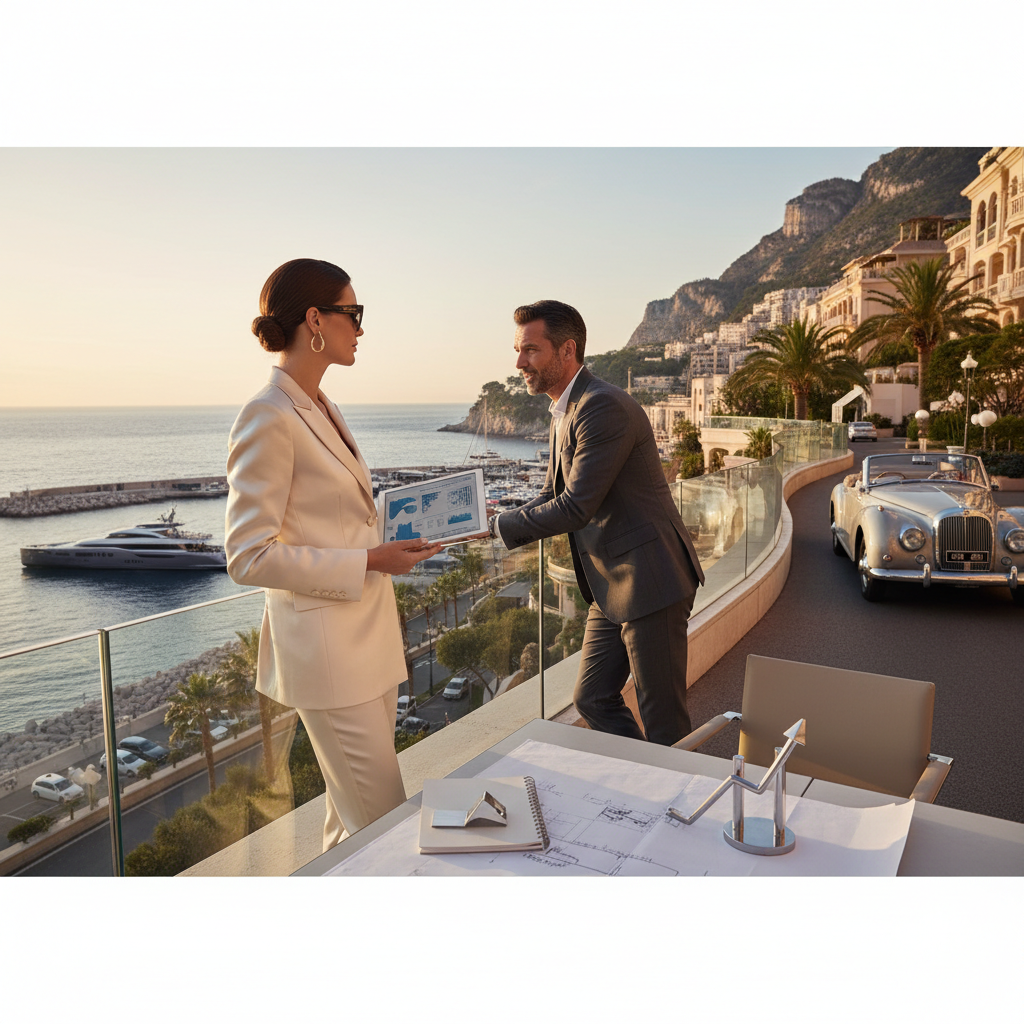
In the dynamic and often unforgiving landscape of luxury, a fresh wave of success stories continually emerges, showcasing adaptability, foresight, and a profound understanding of evolving consumer desires. Over the past 30 days, we've observed several compelling narratives that not only highlight individual and brand triumphs but also offer invaluable insights into the strategies defining contemporary luxury leadership. These aren't just tales of financial gain; they are chronicles of strategic pivots, masterful brand stewardship, and an unwavering commitment to excellence that resonate deeply with the ethos of Monaco Academy.
The Evolving Definition of Success in Luxury
The traditional metrics of success in the luxury sector—exclusivity, craftsmanship, heritage—remain foundational. However, recent developments demonstrate a broadening of this definition. Today's triumphs often intertwine with innovation, sustainability, and a sophisticated approach to digital engagement. The luxury consumer, now more informed and values-driven than ever, seeks not just a product or service, but an experience and a narrative that aligns with their global outlook.
Success is increasingly measured by a brand's ability to maintain its aspirational allure while simultaneously demonstrating a tangible commitment to responsible practices and meaningful interactions. This dual imperative demands a nuanced understanding of both tradition and progression, a balance that the most successful entities have mastered with remarkable agility.
Beyond Financial Metrics: The Holistic View of Brand Triumph
While quarterly reports and market valuations are undeniable indicators, a truly successful luxury brand cultivates a deeper impact. This holistic view encompasses brand loyalty, ethical sourcing, environmental stewardship, and a positive societal contribution. The past month has seen examples where brands, often through unexpected collaborations or bold strategic moves, have solidified their positions not just as market leaders, but as cultural arbiters and conscientious innovators.
Consider the emphasis on storytelling that transcends simple marketing. Brands are increasingly investing in narratives that communicate their values, their processes, and their impact, creating a richer, more engaging relationship with their clientele. This shift from transactional to relational engagement is a hallmark of enduring success in the modern luxury paradigm.
Strategic Pivots and Market Adaptations
The ability to adapt swiftly to changing market conditions and consumer preferences is a critical determinant of success. The past 30 days have provided stark reminders that even the most established luxury houses must remain agile, willing to re-evaluate long-held strategies and embrace new methodologies. This agility often comes in the form of technological integration, diversified market approaches, or a renewed focus on core competencies while shedding outdated practices.
One notable trend is the strategic pivot towards experiential luxury, where brands are creating immersive environments and bespoke services that offer more than just a purchase. These experiences foster deeper emotional connections, turning customers into loyal advocates and extending the brand's influence far beyond its physical products.
Case Study: Navigating the E-commerce Imperative with Exclusivity
For decades, many luxury brands resisted a full embrace of e-commerce, fearing it would dilute their exclusivity and undermine the in-store experience. However, the events of recent years accelerated a necessary digital transformation. Over the last month, several high-end fashion and jewellery houses reported significant growth in their online channels, not by simply replicating their physical stores, but by crafting unique digital experiences.
These successes are rooted in an understanding that digital luxury must offer its own form of exclusivity. This might involve virtual try-on technologies that are genuinely sophisticated, private online viewing appointments with sales associates, or limited-edition digital-exclusive drops that create urgency and desirability. The challenge lies in translating the tactile, sensory aspects of luxury into a compelling online format, a challenge some have met with exceptional creativity.
The integration of advanced analytics also plays a crucial role, allowing brands to understand online customer behaviour with unprecedented precision. This data-driven insight then informs personalised marketing strategies, product development, and even inventory management, creating a virtuous cycle of customer engagement and operational efficiency. For those looking to master such digital strategies, understanding frameworks like those offered in Mastering the Digital Atelier can be profoundly beneficial.
Geographic Reorientation: Tapping into Emerging Wealth Centers
While traditional luxury markets in Europe and North America remain vital, the past month’s success stories also highlight a deliberate reorientation towards emerging wealth centres. Regions experiencing rapid economic growth and an expanding affluent class present significant opportunities. Brands that have invested early in understanding these new consumer bases, adapting their product offerings and marketing messages, are now reaping considerable rewards.
This includes tailoring communication strategies to local cultural nuances, forming strategic local partnerships, and even developing bespoke collections that resonate with regional aesthetic preferences. It's a testament to the idea that global success in luxury often requires a highly localised approach, moving beyond a one-size-fits-all model.
Sustainability as a Pillar of Modern Luxury
The conversation around sustainability has moved from being a niche concern to a core strategic imperative in luxury. Brands that are genuinely integrating sustainable practices across their supply chains, production processes, and corporate governance are increasingly being recognised for their efforts. The past 30 days have seen examples where commitments to circularity, ethical sourcing, and reduced environmental impact have not only enhanced brand reputation but also driven consumer preference.
This is no longer about greenwashing; it's about demonstrable action and transparent reporting. Consumers, particularly younger generations of HNWIs, are scrutinising brands more closely than ever before, aligning their purchasing decisions with their values. Success stories in this realm are often characterised by long-term strategic planning rather than short-term campaigns.
Innovation in Materials and Production: Leading by Example
Several luxury brands have made headlines recently for their pioneering work in sustainable materials and innovative production methods. This includes investments in bio-based alternatives to traditional leathers, the adoption of regenerative agriculture for natural fibres, and the implementation of advanced technologies to minimise waste and energy consumption in manufacturing. These efforts not only contribute to environmental conservation but also elevate the perceived value of the product through its ethical provenance.
The challenge lies in scaling these innovations without compromising the quality or aesthetic that define luxury. Brands achieving success in this area are those that view sustainability not as a constraint, but as a catalyst for creativity and a competitive differentiator. For further insights on how the Principality leads in this space, one might explore Monaco's Green Horizon.
Circular Economy Models: A New Frontier for Luxury Longevity
The concept of a circular economy is gaining significant traction within the luxury sector. Rather than a linear "take-make-dispose" model, brands are exploring ways to design products for longevity, repairability, and ultimately, recyclability or repurposing. Recent successes include luxury brands launching dedicated repair services, authenticated resale platforms, and even upcycling initiatives that transform discarded materials into new, desirable products.
These models not only reduce environmental impact but also create new revenue streams and strengthen customer loyalty by extending the product lifecycle. They appeal to a growing segment of consumers who value sustainability and the narrative of a product's enduring journey. The success here is in demonstrating how circularity can enhance, rather than detract from, the exclusivity and value inherent in luxury goods.
The Power of Collaboration and Strategic Partnerships
In an increasingly interconnected world, luxury brands are discovering the immense potential of strategic collaborations. The past month has seen several high-profile partnerships that have generated significant buzz, expanded market reach, and introduced luxury to new audiences. These collaborations are not merely about co-branding; they are about combining strengths, sharing expertise, and creating something truly novel that neither party could achieve alone.
From co-creating unique product lines with artists to forming alliances with technology firms for innovative digital experiences, successful partnerships are characterised by mutual respect, shared vision, and a clear understanding of each party's contribution. They are designed to create synergistic value that captivates consumers and media alike.
Bridging Industries: Luxury Meets Tech, Art, and Culture
Some of the most exciting success stories over the last 30 days involved unexpected cross-industry collaborations. Luxury brands partnering with tech innovators have introduced new frontiers in wearable technology, augmented reality experiences, and personalised digital services. Similarly, alliances with renowned artists, cultural institutions, and even musicians have allowed brands to infuse their offerings with fresh creative energy and reach culturally engaged audiences.
These collaborations often result in limited-edition products or immersive events that generate significant media attention and exclusivity. They demonstrate a brand's willingness to step outside traditional boundaries, signalling innovation and relevance to a contemporary audience. This forward-thinking approach aligns well with discussions around digital innovation in Monaco, as highlighted in Navigating Monaco's Digital Horizon.
Strategic Alliances for Market Penetration and Innovation
Beyond creative collaborations, strategic alliances for market penetration or access to new technologies have also proven highly successful. This could involve luxury conglomerates acquiring niche brands to expand their portfolio, or established houses partnering with agile startups to develop new capabilities, particularly in areas like AI-driven customer service or blockchain-verified provenance.
The success here lies in identifying partners whose values and strategic objectives align, fostering a relationship built on trust and mutual benefit. These alliances are critical for staying competitive in a rapidly evolving market, allowing brands to innovate at speed and scale effectively.
The Human Element: Leadership and Talent Development
Ultimately, behind every successful luxury brand are visionary leaders and a highly skilled workforce. The past month's narratives consistently underscore the importance of exceptional leadership in navigating complex challenges and inspiring teams. Leaders who demonstrate empathy, strategic foresight, and a commitment to nurturing talent are building resilient organisations capable of sustained success.
Furthermore, investing in talent development – from artisanal craftsmanship to digital marketing expertise – is proving to be a critical differentiator. Luxury, by its very nature, relies on human skill and creativity, and brands that prioritise the growth and well-being of their employees are seeing positive returns in terms of innovation, quality, and customer service.
Cultivating a Culture of Excellence and Innovation
Successful luxury companies foster environments where creativity flourishes and excellence is the standard. This involves providing opportunities for continuous learning, encouraging cross-functional collaboration, and empowering employees at all levels to contribute to the brand's vision. Stories from the past 30 days show how brands that invest in their human capital are better equipped to respond to market shifts and maintain their competitive edge.
This culture of excellence extends to every touchpoint, from product design and manufacturing to retail experiences and customer care. It ensures that the brand's values are consistently upheld and that every interaction reinforces its luxury positioning. For those interested in enhancing their own skills in this demanding sector, Monaco Academy's courses offer tailored pathways.
The Role of Visionary Leadership in Brand Storytelling
Visionary leaders are not just managers; they are storytellers. They articulate a compelling vision for the brand that resonates with both employees and consumers. Over the past month, we've seen how leaders who can effectively communicate their brand's purpose, its heritage, and its future direction can galvanise their teams and create a powerful sense of community around the brand.
Their ability to inspire trust and demonstrate authenticity is paramount, particularly in an era where consumers are increasingly wary of corporate posturing. The most impactful success stories often feature leaders who embody the very values their brands represent, leading by example and shaping the narrative of luxury for the next generation.
The Monaco Academy Perspective: Learning from the Best
At Monaco Academy, our mission is to equip ambitious professionals with the insights and tools needed to thrive in this sophisticated landscape. The success stories emerging from the luxury sector over the past 30 days serve as potent case studies, reinforcing many of the principles we advocate. These include the necessity of strategic adaptation, the imperative of sustainability, the power of collaboration, and the irreplaceable value of visionary leadership and human capital.
Our curriculum is designed to distil these real-world successes into actionable knowledge, preparing our students to lead and innovate within the luxury industries. We believe that understanding these contemporary triumphs provides a critical foundation for future leaders.
- Strategic Foresight: Anticipating market shifts and consumer desires.
- Digital Dexterity: Mastering online channels without compromising exclusivity.
- Sustainability Integration: Embedding ethical and environmental practices throughout the value chain.
- Collaborative Leadership: Forging powerful partnerships across industries.
- Human-Centric Approach: Nurturing talent and fostering a culture of excellence.
The narratives we’ve explored underscore that success in luxury is never static. It requires continuous learning, bold decision-making, and an unwavering commitment to the values that define true luxury. Our programs, detailed on our Programs catalogue page, are built to cultivate these very qualities.
Looking Ahead: Future Trends Shaping Success
As we move forward, several key trends are likely to continue shaping the landscape of luxury success. Personalisation, driven by AI and data analytics, will become even more sophisticated, offering bespoke experiences at scale. The metaverse and Web3 technologies, while still nascent, present new frontiers for brand engagement and digital product offerings. Furthermore, the emphasis on authenticity and transparency will only intensify, requiring brands to be more open about their practices and provenance.
The brands that will define future success will be those that not only embrace these trends but also do so in a manner that remains true to their core identity, preserving the essence of luxury while fearlessly innovating. This delicate balance between heritage and innovation is the hallmark of enduring success, and it’s a journey Monaco Academy is proud to support.
Personalisation at Scale: The Next Frontier of Client Engagement
The notion of bespoke luxury has always been central, but technology is enabling a new level of personalisation. Success stories from the recent past hint at a future where AI-powered recommendation engines, virtual stylists, and customisation platforms allow brands to offer highly individualised products and services at a scale previously unimaginable. This moves beyond simply knowing a customer's preferences to proactively anticipating their desires.
The challenge for luxury brands will be to leverage these technologies in a way that enhances intimacy rather than diminishes it, ensuring that personalisation feels genuinely thoughtful rather than merely automated. This requires a deep understanding of customer psychology and a seamless integration of digital tools with human touchpoints.
The Metaverse and Digital Exclusivity
While still in its early stages, the metaverse and related Web3 technologies are beginning to offer intriguing possibilities for luxury brands. Recent weeks have seen brands experimenting with NFTs, virtual storefronts, and digital-only collections, creating new forms of exclusivity and community engagement. The success here lies in understanding how to translate the intangible values of luxury – prestige, craftsmanship, aspiration – into a purely digital realm.
The brands that are succeeding are not simply porting their physical products into a digital space; they are designing unique digital assets and experiences that resonate with the aesthetics and values of their target audience in these new virtual worlds. This represents a significant new frontier for brand building and commercialisation, demanding creativity and a willingness to explore uncharted territory.
- Embrace Digital Transformation: Beyond e-commerce, integrate AI, AR, and data analytics for deeper customer understanding and engagement.
- Champion Sustainability: Implement genuine, transparent sustainable practices across all operations, from sourcing to product lifecycle.
- Foster Strategic Alliances: Seek out partnerships that drive innovation, expand reach, and enhance brand narrative.
- Invest in Human Capital: Prioritise talent development, cultivate a culture of excellence, and empower visionary leadership.
- Maintain Authenticity: In an increasingly complex world, remaining true to brand heritage and values is paramount for long-term trust.
These principles, drawn from the compelling success stories of the past 30 days, are not merely transient trends. They represent fundamental shifts in how luxury is created, consumed, and sustained. By understanding and internalising these lessons, aspiring and established professionals alike can better navigate the intricate pathways to success in the exhilarating world of luxury.
Conclusion: A Continuous Journey of Excellence
The past month has delivered a rich tapestry of success stories in the luxury sector, each offering valuable lessons for ambitious professionals, advisors, entrepreneurs, and HNWI service providers. These narratives underscore that while the core tenets of luxury endure, the pathways to achieving and sustaining success are continuously evolving. From embracing digital innovation and championing sustainability to forging strategic partnerships and nurturing human talent, the blueprint for triumph is multifaceted and dynamic.
At Monaco Academy, we are dedicated to dissecting these contemporary examples, translating real-world achievements into accessible and actionable insights for our community. The journey of excellence in luxury is a continuous one, marked by strategic agility, unwavering vision, and a profound commitment to delivering unparalleled value and experience. We invite you to explore further how these insights can shape your own trajectory in the ever-fascinating world of luxury.
Tagged
Written by
Monaco Academy Editorial
Editorial Team
Put this into practice
Courses and programs on this subject
Luxury Transportation Entrepreneur Course
Become a Certified Luxury Transportation Entrepreneur, mastering business acumen and operational excellence for high-end clientele.

Luxury Influencer Business Course
Become a Certified Luxury Influencer Entrepreneur, mastering brand partnerships, content creation, and monetization in the high-end market.
Luxury Watch Dealership Course
Become a Certified Luxury Watch Dealer, mastering the intricate world of haute horlogerie sales and bespoke client service.
Related programs
Continue reading
Related articles
18 October 2026 · 12 min
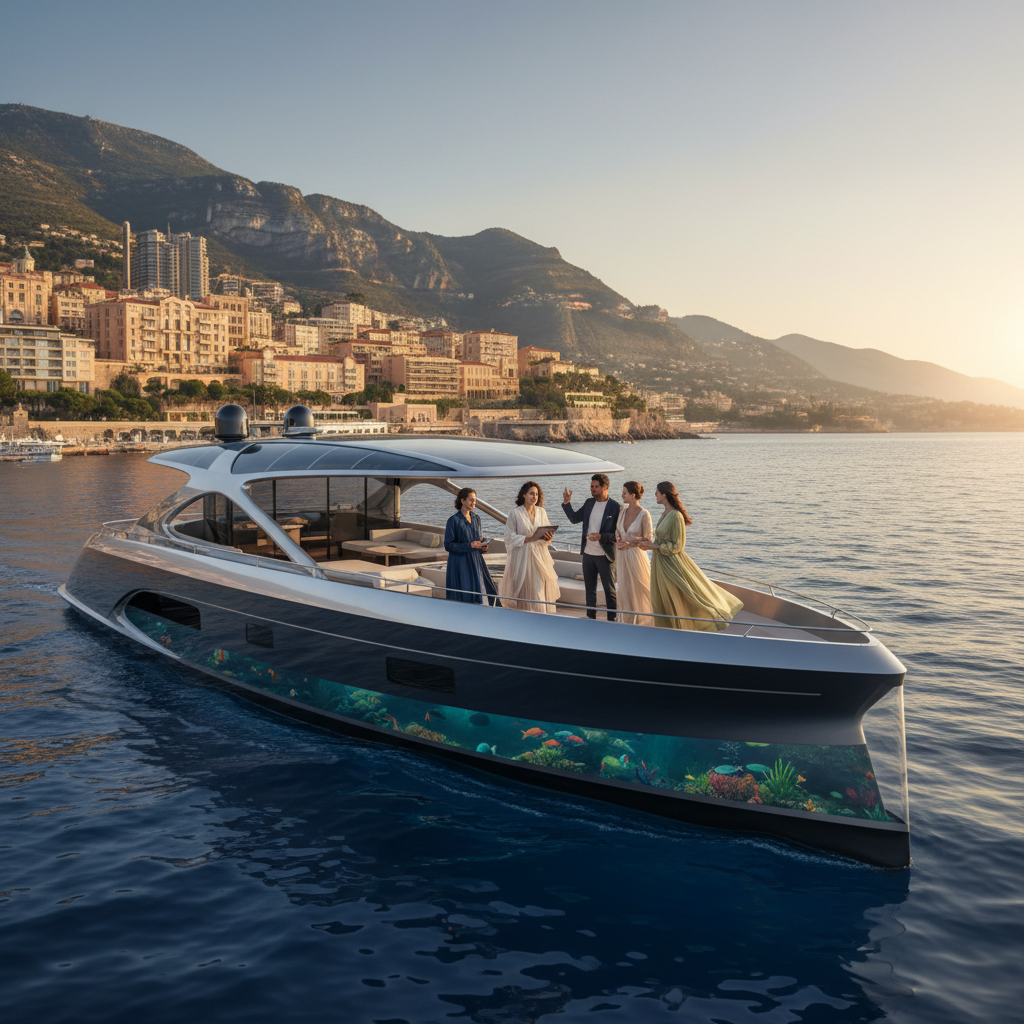
Navigating the Next Wave: Innovation, Sustainability, and the Evolving Luxury Consumer
Explore the critical shifts redefining the luxury landscape. This deep-dive uncovers how technological innovation, stringent sustainability mandates, and the sophisticated demands of a new generation of luxury consumers are compelling brands and service providers to rethink their strategies, offering practical takeaways for ambitious professionals and HNWI advisors.

16 October 2026 · 10 min
The Quantum Leap: How AI is Reshaping Personalisation and Service in the Luxury Sector
Artificial Intelligence is no longer a futuristic concept but a present-day reality profoundly transforming the luxury sector. This deep dive explores how AI's sophisticated capabilities are revolutionising client engagement, from hyper-personalised experiences and predictive analytics to intelligent service delivery, setting new benchmarks for exclusivity and operational efficiency.
14 October 2026 · 12 min
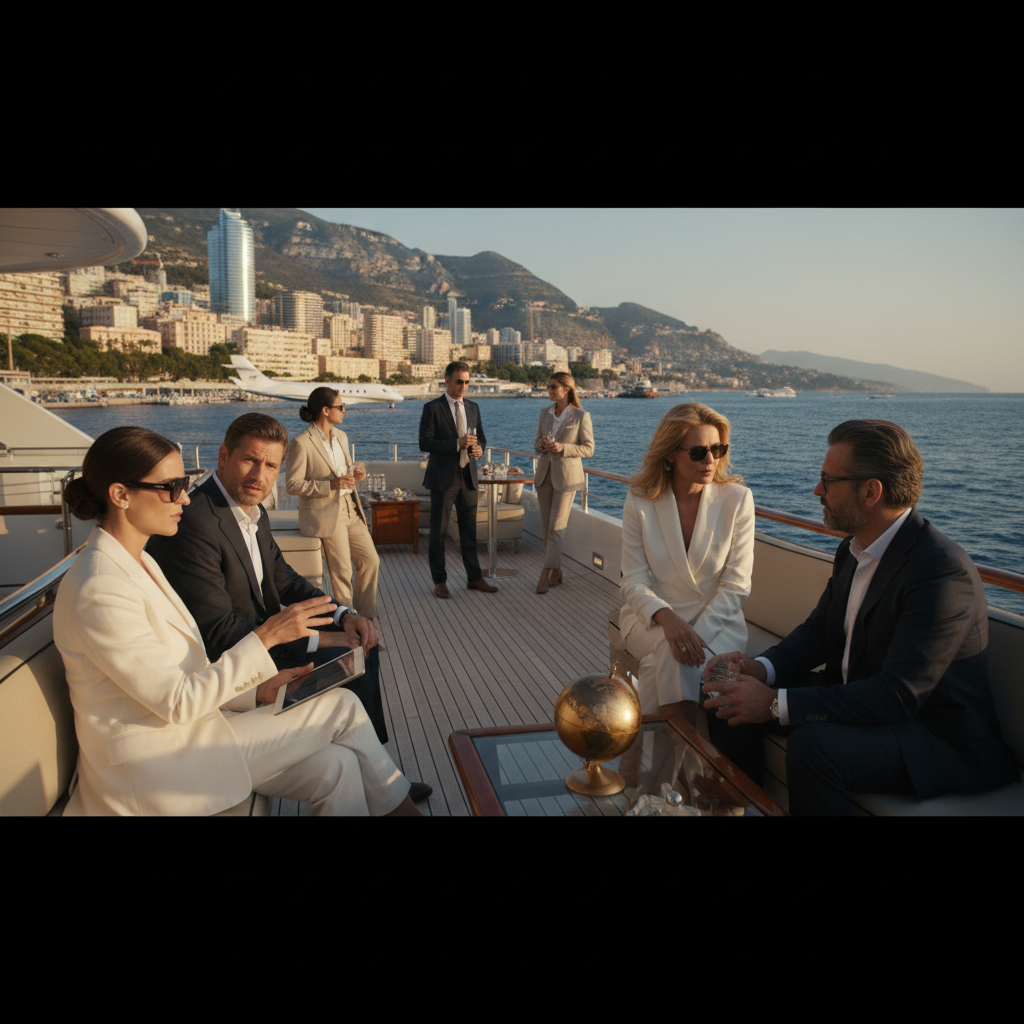
Navigating the New Geopolitics of Luxury: Strategic Imperatives for Global Brands and HNWI Service Providers
The global luxury landscape is being reshaped by complex geopolitical shifts, from evolving trade relations to the rise of new economic powers. This article offers an in-depth trend analysis, examining how discerning luxury brands and HNWI service providers must strategically adapt to maintain relevance and growth in an increasingly fragmented world, drawing on concrete industry examples.