
From Principality to Global Stage: How Monaco-Based Innovators Are Redefining Luxury Entrepreneurship
Explore compelling success stories emerging from the Principality of Monaco, highlighting visionary entrepreneurs and luxury professionals who are not only thriving in this unique ecosystem but also setting new benchmarks for innovation, sustainability, and global influence within the ultra-luxury sector. Discover how Monaco's strategic advantages foster ground-breaking ventures.
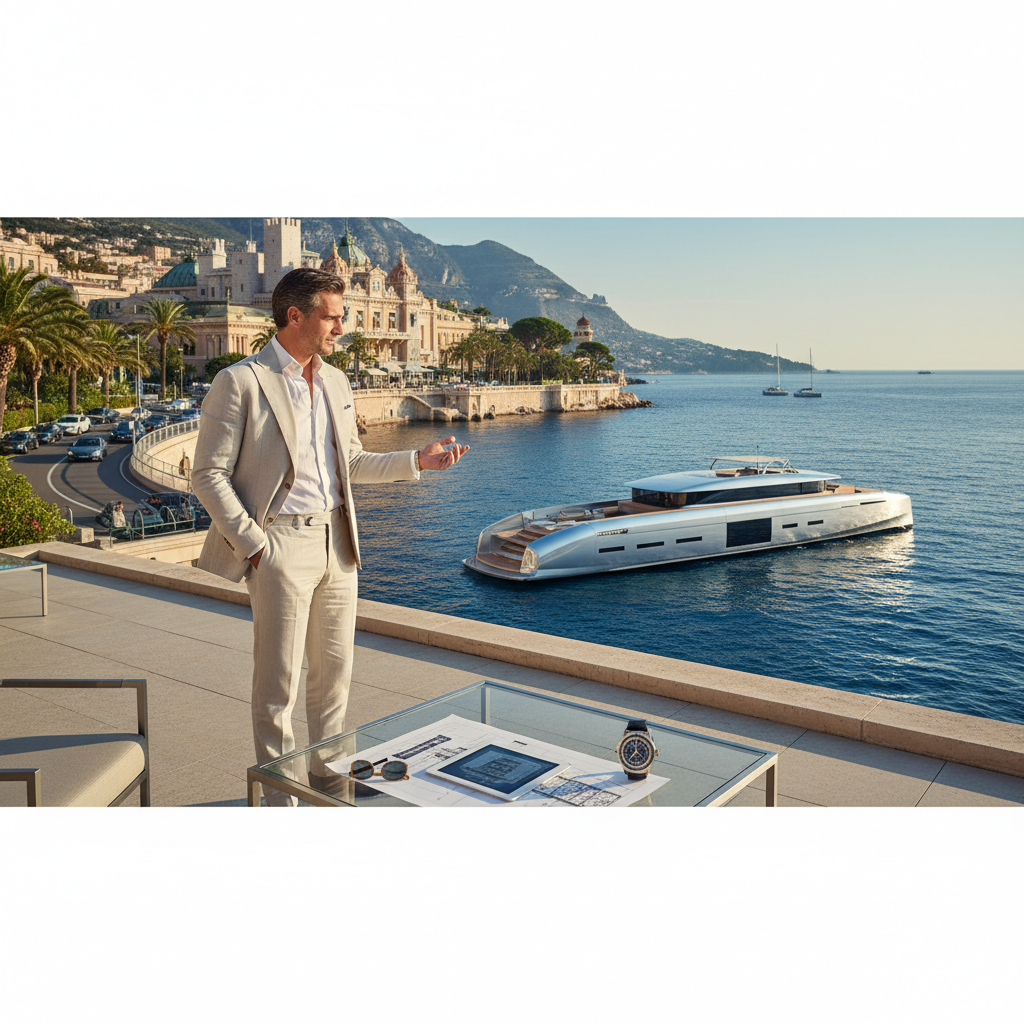
In the dynamic and often enigmatic realm of luxury, success is not merely measured by quarterly profits or market share; it is a tapestry woven from strategic foresight, unwavering dedication, and an acute understanding of the discerning client. For ambitious professionals, advisors, entrepreneurs, and High-Net-Worth Individual (HNWI) service providers navigating this sophisticated landscape, understanding the anatomy of triumph is paramount. This article delves into contemporary success stories within the luxury sector, dissecting the strategies that differentiate fleeting trends from enduring legacies, offering invaluable insights for those aspiring to excel in this exclusive domain.
The luxury industry, often perceived as resistant to external pressures, is in fact a constant theatre of evolution. From the ascendancy of sustainable practices to the integration of cutting-edge digital technologies and the redefinition of experiential value, the very fabric of luxury is being reimagined. We examine how leading brands and individuals are not just adapting to these shifts but actively shaping them, setting new benchmarks for excellence and relevance. Their journeys provide a compelling blueprint for how to build and sustain success in an environment where expectations are perpetually elevated and competition is fierce.
The Evolution of Luxury: Beyond Ostentation to Authenticity
For decades, luxury was synonymous with overt opulence and exclusivity, often communicated through traditional advertising channels and heritage narratives. While heritage remains a cornerstone, the definition of luxury has broadened significantly. Today's discerning clientele, particularly younger generations of HNWIs, seeks authenticity, ethical sourcing, and a deeper connection to the brands they patronise. This shift has necessitated a re-evaluation of marketing strategies, product development, and customer engagement models.
The successful luxury entities of today are those that have embraced this nuanced understanding. They recognise that their clients are not just buying products or services; they are investing in values, experiences, and a sense of belonging. This paradigm shift demands transparency, storytelling that resonates on a personal level, and a commitment to social and environmental responsibility. Brands that fail to acknowledge these evolving sensibilities risk being perceived as anachronistic, losing their allure in an increasingly conscious marketplace.
Sustainable Luxury: A Non-Negotiable Imperative
One of the most profound shifts in the luxury landscape is the ascendancy of sustainability. What was once a niche concern has become a central pillar of brand reputation and consumer expectation. Luxury brands, with their often resource-intensive production processes and emphasis on rarity, face unique challenges and opportunities in this regard. Those who have successfully integrated sustainability into their core operations and communications have garnered significant trust and loyalty.
Consider the example of brands in the high jewellery sector that have meticulously audited their supply chains to ensure ethical sourcing of precious metals and gemstones. Their commitment goes beyond mere compliance, extending to active participation in community development programs in mining regions and investing in innovative, eco-friendly manufacturing techniques. This proactive approach not only mitigates reputational risks but also enhances brand desirability, appealing to clients who value their purchases for both their intrinsic beauty and their positive impact.
Similarly, in fashion, the move towards circularity, upcycling, and the use of innovative sustainable materials is gaining traction. Brands that previously relied on conventional, often environmentally impactful, production methods are now exploring alternatives, from lab-grown diamonds to vegan leathers and regenerated fibres. This is not merely about greenwashing; it represents a fundamental rethinking of the entire value chain, from design to disposal, ensuring that luxury consumption aligns with a more sustainable future. For a deeper dive into this topic, explore Monaco's Green Horizon: Pioneering Sustainable Luxury and Environmental Stewardship.
Experiential Luxury: Crafting Unforgettable Moments
While material possessions remain important, the ultimate luxury for many HNWIs today is the acquisition of unique, unforgettable experiences. This trend has led to a proliferation of bespoke travel itineraries, exclusive cultural events, and personalised services that transcend traditional retail offerings. Success in this arena hinges on an ability to anticipate desires and curate moments that are truly extraordinary.
Hotels and resorts, for instance, are no longer just providing accommodation; they are creating immersive environments that offer unparalleled levels of service, privacy, and access. This might involve private art consultations, culinary experiences with Michelin-starred chefs in remote locations, or guided expeditions to previously inaccessible natural wonders. The emphasis is on personalisation and discretion, ensuring that each experience is tailored to the individual preferences of the client, making them feel not just valued, but truly understood.
The art of crafting experiential luxury lies in attention to detail and an understanding of human psychology. It involves anticipating unarticulated needs, orchestrating seamless logistics, and delivering moments of genuine surprise and delight. These are the elements that transform a high-value transaction into a cherished memory, fostering a deep and lasting loyalty that transcends price points.
Digital Transformation: Navigating the New Frontier
The digital revolution has fundamentally reshaped the luxury industry, challenging established norms and opening new avenues for engagement and commerce. From e-commerce and social media marketing to blockchain technology and the metaverse, brands are constantly experimenting with how to leverage digital tools to enhance their offerings and connect with a global audience. The most successful brands are those that have embraced digital not as a mere add-on, but as an integral part of their strategic vision.
E-commerce and Omnichannel Strategies
Initially, many luxury brands were hesitant to fully embrace e-commerce, fearing it would dilute their exclusivity or detract from the in-store experience. However, the pandemic accelerated digital adoption, proving that luxury clients are indeed comfortable making high-value purchases online, provided the digital experience mirrors the sophistication of a physical boutique. Successful brands have invested heavily in creating immersive, aesthetically pleasing, and highly functional e-commerce platforms.
Beyond simply selling online, the focus is now on creating a seamless omnichannel experience. This means integrating online and offline channels so that a client's journey is fluid and consistent, whether they are browsing a website, visiting a store, or interacting with customer service. Personalised recommendations based on online browsing history, in-store pickup options for online purchases, and virtual styling appointments are all examples of how luxury brands are bridging the digital and physical divide. Understanding how to master these tools is crucial for professionals, as detailed in Mastering the Digital Atelier: A Practical Guide for Luxury Professionals on How to Effectively Study Online.
The Power of Social Media and Influencer Marketing
Social media platforms have become indispensable for luxury brands to engage with their audience, build brand narratives, and cultivate a sense of community. Far from being platforms solely for mass-market products, channels like Instagram, TikTok, and even LinkedIn (for B2B luxury services) are powerful tools for showcasing craftsmanship, telling compelling stories, and connecting with a global clientele. The key is to adapt content and strategy to the specific nuances of each platform, maintaining the brand's elevated aesthetic and tone.
Influencer marketing in luxury is a delicate art. It moves beyond simple product placement to strategic collaborations with individuals who genuinely embody the brand's values and resonate with its target audience. These are often not just celebrities, but also thought leaders, artists, and philanthropists whose authentic endorsement lends credibility and desirability. The emphasis is on long-term relationships and co-creation, rather than one-off transactional campaigns, ensuring that the message is both impactful and authentic. For insights into building these connections, see Mastering the Art of Digital Networking: Expanding Your Professional Reach in the Luxury Sector.
Blockchain and the Metaverse: New Frontiers for Value and Engagement
Emerging technologies like blockchain and the metaverse are poised to redefine luxury in novel ways. Blockchain, with its immutable ledger, offers unprecedented transparency for provenance tracking, authenticating luxury goods, and protecting against counterfeiting. This is particularly valuable in categories like watches, jewellery, and collectible art, where authenticity is paramount.
The metaverse, while still in its nascent stages, presents an intriguing opportunity for luxury brands to create immersive digital experiences, virtual products, and new forms of community engagement. From virtual fashion shows and exclusive NFT collections to digital twins of physical products, brands are exploring how to extend their presence into these virtual worlds, offering new avenues for expression and status. Success in this space requires a willingness to innovate and experiment, understanding that the rules of engagement are still being written. Monaco, in particular, is exploring these digital frontiers, as highlighted in Navigating Monaco's Digital Horizon: A Deep Dive into the Principality's Tech and Innovation Landscape.
Strategic Leadership and Brand Resilience
At the heart of every enduring luxury success story lies exceptional leadership. In an industry characterised by constant change, geopolitical uncertainties, and shifting consumer preferences, visionary leaders are essential for navigating complexities, making bold decisions, and steering their organisations towards sustained growth and relevance. This includes an unwavering commitment to brand heritage while simultaneously embracing innovation.
Visionary Leadership and Adaptation
Leaders in the luxury sector must possess a rare blend of business acumen, creative flair, and an intuitive understanding of global cultural trends. They are often custodians of iconic brands, responsible not only for commercial success but also for preserving and evolving a rich legacy. This requires a delicate balance: honouring tradition while simultaneously pushing boundaries and anticipating future desires.
The most successful leaders are those who foster a culture of agility and continuous learning within their organisations. They empower their teams, encourage experimentation, and are not afraid to pivot strategies when market conditions demand it. Their ability to inspire and unite a diverse workforce behind a common vision is critical, especially when navigating periods of significant disruption, such as global economic downturns or public health crises.
Brand Storytelling and Narrative Control
In luxury, the brand narrative is as valuable as the product itself. Successful brands are masters of storytelling, weaving compelling tales that connect with consumers on an emotional level and imbue their offerings with deeper meaning. This narrative extends beyond marketing campaigns to encompass every touchpoint, from the design of a boutique to the wording of a customer service interaction.
Controlling the brand narrative in an age of instant communication and social media scrutiny is more challenging than ever. Successful brands are proactive in shaping their public image, engaging in transparent communication, and responding thoughtfully to feedback. They understand that every interaction contributes to the overall brand perception, and they meticulously manage this perception to ensure it aligns with their core values and aspirational identity. For a closer look at this, read The Strategic Imperative: Enhancing Brand Resilience in an Evolving Luxury Landscape.
Talent Management and Succession Planning
The luxury industry relies heavily on specialised talent, from master artisans and designers to experienced retail professionals and brand strategists. Attracting, retaining, and developing this talent is a critical component of long-term success. Brands that invest in robust talent management programs, offer opportunities for professional growth, and cultivate an inclusive work environment are better positioned to thrive.
Succession planning is also paramount, especially for family-owned luxury houses or brands built around a singular creative vision. Ensuring a smooth transition of leadership and the continuity of brand DNA requires careful foresight and meticulous preparation. This often involves mentoring future leaders, embedding institutional knowledge, and safeguarding the artisanal skills and creative processes that define the brand's unique character.
Case Studies in Contemporary Luxury Success
To illustrate these principles, let us consider a few exemplary cases that highlight different facets of contemporary luxury success:
- The Resurgence of Heritage Brands through Modernisation: Many venerable European luxury houses have successfully navigated the transition into the 21st century by respecting their heritage while simultaneously embracing modern design sensibilities, digital innovation, and sustainable practices. They have revitalised their classic collections with contemporary twists, engaged younger audiences through dynamic digital content, and transparently communicated their commitment to ethical production. Their success lies in their ability to evolve without sacrificing the core values and craftsmanship that define them. This delicate balance ensures their continued relevance and desirability across generations.
- The Rise of Disruptor Brands with a Niche Focus: While established players continue to dominate, a new wave of smaller, agile luxury brands has achieved significant success by targeting highly specific niches with innovative products or services. These brands often leverage direct-to-consumer models, cutting out intermediaries and fostering a more direct relationship with their clientele. Their appeal often lies in their authenticity, unique aesthetic, and ability to tell a compelling story that resonates deeply with their chosen demographic. Their success demonstrates that true luxury is not solely about scale, but about distinctiveness and genuine connection.
- The Personalisation and Customisation Imperative: In an age of mass production, true luxury often manifests in bespoke creations. Brands that have mastered the art of personalisation, offering clients the ability to co-create or extensively customise their products, have seen significant success. This can range from tailor-made clothing and accessories to custom-built yachts or private jet interiors. The value proposition here is not just the product itself, but the exclusive journey of creation and the ultimate ownership of something truly unique and reflective of individual taste. This elevates the purchase from a transaction to a collaborative experience, fostering deeper client engagement and loyalty.
The Monaco Academy Perspective: Fostering Future Leaders
At Monaco Academy, we understand that success in the luxury sector requires a unique blend of strategic insight, cultural intelligence, and practical expertise. Our programs are meticulously designed to equip ambitious professionals with the knowledge and skills necessary to thrive in this demanding environment. Drawing inspiration from the Principality of Monaco itself – a global hub for luxury, finance, and innovation – we offer a distinctive educational experience.
Our curriculum delves into the intricacies of luxury brand management, marketing, finance, and the evolving digital landscape. We examine real-world case studies, provide frameworks for strategic decision-making, and foster a network of like-minded professionals. We believe that by understanding the historical context of luxury, embracing contemporary trends, and anticipating future challenges, our students can become the visionary leaders who will shape the next generation of luxury success stories.
Our commitment is to provide an education that is as refined and exclusive as the industry it serves. We empower our students to not just observe change, but to drive it, ensuring they are well-prepared to lead with confidence and distinction. Explore our comprehensive Courses catalogue and Programs catalogue to discover how Monaco Academy can elevate your career in luxury.
Conclusion: The Enduring Pursuit of Excellence
The luxury industry is a fascinating paradox: built on heritage and tradition, yet constantly reinventing itself to remain relevant in a rapidly changing world. The success stories within this sector are not accidental; they are the result of deliberate strategies, visionary leadership, and an unwavering commitment to excellence. From embracing sustainability and digital innovation to crafting unparalleled experiences and mastering the art of storytelling, the pathways to success are diverse but united by a common thread: an obsessive focus on understanding and exceeding the expectations of the most discerning clientele.
For professionals aspiring to make their mark in this prestigious domain, the lessons from these successes are clear. Continuous learning, adaptability, ethical practice, and a profound appreciation for craftsmanship and service are not just advantageous; they are fundamental. As the luxury landscape continues to evolve, those who can anticipate, innovate, and execute with precision will be the ones who write the next chapter of triumph, ensuring that the allure of luxury endures for generations to come.
Tagged
Written by
Monaco Academy Editorial
Editorial Team
Put this into practice
Courses and programs on this subject
Fashion Entrepreneurship Course
Become a Certified Fashion Entrepreneur, mastering the art of launching and scaling a successful luxury fashion brand from concept to global market.
Luxury Brand Management Course
Become a Certified Luxury Brand Manager, mastering the art and science of building and sustaining prestigious brands in a competitive global market.

Luxury Lifestyle Concierge Course
Become a Certified Luxury Lifestyle Concierge, mastering the art of bespoke service and exclusive access for discerning clientele.
Related programs
Continue reading
Related articles
19 October 2026 · 12 min
Beyond the Hype: Deconstructing Hermes' Enduring Success in the Age of Fleeting Trends
In an era defined by rapid cycles and fleeting fads, Hermes stands as a testament to timeless luxury. This in-depth case study meticulously unpacks the strategic pillars behind Hermes' unparalleled longevity and sustained allure, offering invaluable insights for luxury professionals, entrepreneurs, and HNWI advisors navigating an ever-evolving market. Discover how meticulous craftsmanship, brand narrative, and client relationship management coalesce to create enduring value, providing a blueprin
06 October 2026 · 11 min
Beyond the Bling: Deconstructing Modern Luxury Success Stories for Actionable Insights
In an era of rapid transformation, discerning professionals, entrepreneurs, and HNWI advisors must look beyond superficial glamour to understand the strategic underpinnings of enduring luxury success. This article delves into contemporary luxury brand triumphs, offering a nuanced trend analysis with concrete examples to illuminate pathways for sustained growth and innovation.
24 September 2026 · 11 min
Beyond the Hype: Deconstructing Hermes' Enduring Success in the Age of Fleeting Trends
In a world of ephemeral luxury trends, Hermes stands as a testament to timeless craftsmanship, strategic scarcity, and unwavering brand integrity. This in-depth case study unpacks the enduring success strategies that allow the Parisian maison to not just survive but thrive, offering invaluable lessons for aspiring luxury professionals and business leaders.