
Navigating the New Geopolitics of Luxury: Strategic Imperatives for Global Brands and HNWI Service Providers
Explore the profound impact of evolving geopolitical landscapes on the luxury sector. This deep dive for ambitious professionals, advisors, entrepreneurs, and HNWI service providers uncovers strategic imperatives for global luxury brands, from supply chain resilience to market access and ethical considerations, ensuring sustained relevance and growth amidst complexity.
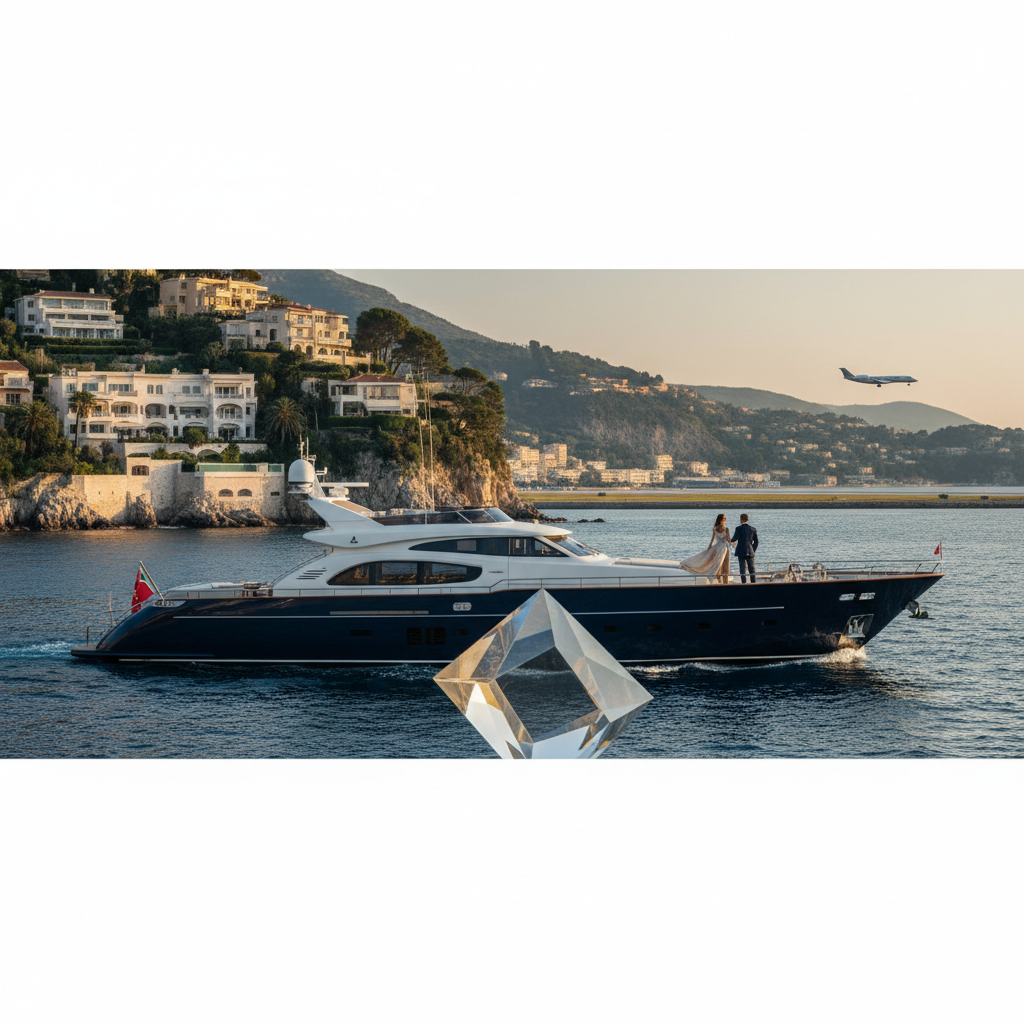
The global luxury market, perpetually in flux, is currently navigating an intricate web of influences that demand strategic agility and prescient foresight from its leaders and professionals. From the Principality of Monaco, a beacon of refined living and economic resilience, we observe these shifts with keen interest, understanding their profound implications for high-net-worth individuals (HNWIs), their advisors, and the luxury service providers who cater to their sophisticated demands. This discourse delves into the confluence of geopolitical realignments, the persistent march of digital transformation, and the burgeoning imperative of sustainability, dissecting how these forces are reshaping consumer behaviour, investment patterns, and operational paradigms within the luxury ecosystem. For those operating at the pinnacle of this industry, understanding these dynamics is not merely advantageous; it is existential for continued success and relevance.
Geopolitical Realignment and its Impact on Luxury Capital Flows
The global political landscape is undergoing significant realignments, with shifting power balances and evolving international relations directly influencing the flow of capital and the geographical distribution of wealth. These geopolitical shifts create both formidable challenges and unprecedented opportunities for the luxury sector. Traditional markets may experience contractions or reconfigurations, while emerging economies or politically stable regions could witness an influx of investment and high-net-worth individuals seeking stability and new prospects. This fluidity necessitates a proactive and adaptive approach to market analysis and client engagement.
The Evolving Geoeconomic Map: Where Wealth is Moving
We are witnessing a notable recalibration of global wealth centres. While established hubs like London, New York, and Geneva continue to thrive, there is an accelerated migration of capital and UHNWIs towards regions perceived as stable, growth-oriented, or offering advantageous fiscal and lifestyle environments. The Gulf states, for instance, are increasingly becoming magnets for luxury investment and residency, driven by economic diversification efforts and strategic infrastructure development. Similarly, certain Asian markets, despite regional complexities, continue to exhibit robust growth in wealth accumulation, fuelling demand for luxury goods and services.
This evolving geoeconomic map requires luxury brands and service providers to reassess their global footprint and market entry strategies. A deep understanding of local nuances, regulatory frameworks, and cultural specificities in these burgeoning markets is paramount. Simply transplanting Western models often proves ineffective; success hinges on bespoke approaches that resonate with local aspirations and values. This demands a sophisticated grasp of international relations and macroeconomics, competencies that are increasingly crucial for luxury professionals.
Sanctions, Regulations, and Reputational Risk
In an era of heightened geopolitical tensions, sanctions regimes and increased regulatory scrutiny have become a significant operational concern for the luxury sector. Compliance with complex international sanctions is not just a legal obligation but a cornerstone of maintaining reputational integrity. Luxury businesses must invest in robust due diligence processes to identify beneficial ownership, source of funds, and potential affiliations with sanctioned entities or individuals. Failure to do so can result in severe financial penalties, asset freezes, and irreparable damage to brand equity.
Furthermore, the ethical dimension of luxury business is under increasing public and regulatory spotlight. The provenance of materials, labour practices, and adherence to international human rights standards are no longer niche concerns but mainstream expectations. Brands that demonstrate transparency and unwavering ethical conduct across their supply chains are gaining a competitive edge, appealing to a new generation of conscientious consumers and investors. This complex landscape underscores the need for leaders adept at luxury brand management who can navigate these ethical and legal minefields with grace and foresight.
The Digital Transformation Imperative: Beyond E-commerce
Digital transformation in luxury extends far beyond merely establishing an online storefront. It encompasses a holistic re-imagining of how luxury brands engage with clients, manage operations, and innovate product and service offerings. The pandemic significantly accelerated this shift, forcing even the most traditional luxury houses to embrace digital channels with unprecedented speed. Today, digital fluency is not an option but a core competency for every luxury professional.
AI, Metaverse, and the Future of Client Experience
Artificial Intelligence (AI) and emerging technologies like the metaverse are poised to revolutionise the luxury client experience. AI-driven personalisation, from bespoke product recommendations to hyper-tailored service interactions, allows brands to anticipate and fulfil client desires with unparalleled precision. Imagine AI assisting a luxury lifestyle concierge in curating unique experiences perfectly aligned with a client's historical preferences and upcoming travel plans. These technologies enhance efficiency and elevate the personal touch that defines luxury.
The metaverse, while still in its nascent stages, represents a significant frontier for luxury engagement. Virtual boutiques, NFT-backed digital assets, and immersive brand experiences offer new avenues for storytelling, community building, and product launches. Luxury brands are experimenting with digital twins of physical products, exclusive virtual events, and unique digital collectibles that cater to a tech-savvy affluent demographic. Successfully integrating these technologies requires a blend of creative vision and technical acumen, redefining what it means to offer an exclusive experience.
Data Privacy and Cybersecurity in the Age of Digital Luxury
As luxury businesses collect and process vast amounts of sensitive client data, data privacy and cybersecurity have become paramount concerns. High-net-worth individuals expect their personal information and transaction details to be handled with the utmost discretion and security. Breaches of data privacy can lead to severe reputational damage, legal repercussions, and a profound erosion of client trust. Investing in robust cybersecurity infrastructure and adhering to stringent data protection regulations (such as GDPR) are non-negotiable.
Luxury professionals, from those managing client portfolios to those overseeing digital marketing, must be acutely aware of their responsibilities in safeguarding data. Regular training, adherence to best practices, and the implementation of advanced security protocols are essential. This commitment to privacy becomes a competitive differentiator, reassuring clients that their exclusive data is treated with the same reverence as their exclusive assets.
The Sustainability Mandate: Redefining Value and Responsibility
Sustainability is no longer a peripheral concern but a central tenet of modern luxury. Discerning consumers, particularly younger generations of HNWIs, are increasingly evaluating brands not just on quality and exclusivity, but also on their environmental footprint and social impact. This shift necessitates a fundamental re-evaluation of business models, supply chains, and brand narratives across the luxury spectrum. The Principality of Monaco, with its pioneering commitment to sustainable luxury and economic diversification, serves as a powerful example of this imperative.
Circular Economy and Responsible Sourcing
The concept of a circular economy – designing out waste and pollution, keeping products and materials in use, and regenerating natural systems – is gaining traction in luxury. This includes initiatives like using recycled materials, facilitating repair and refurbishment services, and promoting product longevity. For instance, in haute horlogerie, the emphasis on timeless design and meticulous craftsmanship has always aligned with longevity, but now brands are actively promoting repairability and certified pre-owned markets to extend product lifecycles and reduce environmental impact. Similarly, the diamond industry is grappling with tracing provenance and embracing lab-grown alternatives.
Responsible sourcing extends to every component of the luxury supply chain, from ethically mined gemstones and sustainably harvested exotic leathers to fair labour practices in manufacturing. Transparency in these areas is crucial, often leveraging blockchain technology to provide immutable records of provenance. Brands that can credibly demonstrate their commitment to responsible sourcing build deeper trust and loyalty with their clientele.
Green Investments and Philanthropic Endeavours
HNWIs are increasingly aligning their investment strategies and philanthropic activities with sustainable and impactful ventures. This extends beyond traditional impact investing to encompass direct investments in green technologies, renewable energy projects, and conservation efforts. Luxury professionals, especially those in wealth management, must be equipped to advise clients on these opportunities, blending financial returns with social and environmental impact. Our Wealth & Investment Management Course directly addresses the intricacies of navigating global financial markets, including the growing green finance sector.
Philanthropy in the luxury sphere is also evolving, moving beyond traditional charitable giving to more strategic, outcome-oriented approaches that seek to address systemic issues. Luxury brands are increasingly partnering with environmental organisations, social enterprises, and cultural institutions to create shared value, demonstrating their commitment to global citizenship. These collaborations not only contribute to pressing global challenges but also enhance brand reputation and appeal to values-driven consumers.
The Evolving Landscape of Luxury Services: Personalisation and Exclusivity
In a world of increasing standardisation, the essence of luxury remains rooted in bespoke experiences and unparalleled exclusivity. However, the definition and delivery of these services are constantly evolving, driven by technological advancements and the changing expectations of a globally mobile and highly informed clientele. Luxury service providers must innovate continually to maintain their competitive edge and deliver truly exceptional value.
Hyper-Personalisation and Curated Experiences
The demand for hyper-personalisation is intensifying. Clients no longer just want a product or service; they desire an experience tailored precisely to their individual preferences, aspirations, and even moods. This extends from a private chef designing a menu based on dietary needs and favourite cuisines, to a luxury yacht manager orchestrating a bespoke itinerary that perfectly blends adventure, relaxation, and cultural immersion. Technology, particularly AI and sophisticated data analytics, plays a crucial role in enabling this level of customisation, allowing providers to anticipate needs and proactively offer solutions.
Curated experiences go beyond mere convenience; they offer access to the unattainable, the rare, and the truly unique. This could involve exclusive access to art exhibitions, private viewings of unlisted properties, or bespoke travel itineraries to remote and exotic locations. The art of curation lies in understanding a client's deepest desires, sometimes even before they articulate them, and delivering an experience that is memorable, meaningful, and utterly seamless.
The Role of Human Touch in a Digital Age
Despite the proliferation of digital tools, the human element remains irreplaceable in luxury services. Technology enhances efficiency and personalisation, but it cannot replicate the empathy, intuition, and nuanced understanding that a skilled human professional brings. In fact, as digital interactions become more prevalent, the value of genuine human connection and bespoke, face-to-face service arguably increases.
Luxury professionals, whether they are a private banker managing complex financial portfolios or a luxury personal assistant coordinating intricate schedules, must master the art of blending digital tools with an authentic human touch. This means leveraging technology to streamline administrative tasks, thereby freeing up more time for meaningful interactions, building rapport, and truly understanding client needs on a deeper level. The synthesis of high-tech efficiency with high-touch personal service is the hallmark of future luxury excellence.
Workforce Development: Cultivating the Next Generation of Luxury Leaders
The dynamic shifts within the luxury landscape underscore the critical need for continuous workforce development. The skills required for success are evolving rapidly, demanding professionals who are not only steeped in the traditions of luxury but also adept at navigating new technologies, understanding global macroeconomic trends, and championing sustainable practices. Education and ongoing professional development are paramount to cultivating leaders who can drive innovation and uphold the exacting standards of the luxury sector.
Agility and Adaptability as Core Competencies
The pace of change in the luxury market necessitates a workforce characterised by agility and adaptability. Leaders must be able to pivot strategies quickly in response to geopolitical events, technological breakthroughs, or shifts in consumer sentiment. This requires a mindset that embraces continuous learning, problem-solving, and a willingness to challenge established norms. Traditional hierarchical structures are giving way to more agile, collaborative models that foster innovation and enable quicker decision-making. Developing these competencies ensures that teams can effectively respond to unforeseen challenges and capitalise on emerging opportunities.
Furthermore, cross-cultural competence is increasingly vital. As luxury markets globalise and clienteles become more diverse, professionals must possess the sensitivity and understanding to navigate different cultural contexts, communication styles, and business practices. This is particularly relevant in client-facing roles and international business development, where a nuanced approach can make all the difference in building lasting relationships.
Specialised Training and Executive Education
Specialised training and executive education programmes are crucial for equipping professionals with the advanced knowledge and skills required to excel in this complex environment. These programmes go beyond foundational luxury principles, delving into areas such as advanced digital marketing, AI ethics, sustainable supply chain management, and international wealth planning. For instance, understanding the intricate world of luxury real estate brokerage requires not only sales acumen but also expertise in international property law, investment analysis, and client confidentiality.
Monaco Academy, for example, offers a range of certificates designed to address these specific needs, ensuring that professionals are not only current but also future-ready. These courses provide practical insights, strategic frameworks, and networking opportunities that are invaluable for career progression and organisational success. Lifelong learning is no longer a cliché but a strategic imperative for individuals and organisations alike within the luxury industry.
- Embrace Digital Literacy: From AI-driven analytics to immersive metaverse experiences, a fundamental understanding of digital technologies is non-negotiable for all luxury professionals.
- Prioritise Ethical and Sustainable Practices: Clients and regulators demand transparency. Integrate responsible sourcing, circular economy principles, and ethical governance into every facet of operations.
- Cultivate Geopolitical Awareness: Stay informed about global power shifts, trade policies, and regulatory changes that impact capital flows and market accessibility.
- Master the Art of Hyper-Personalisation: Leverage data and technology to create truly bespoke experiences, while never losing the essential human touch.
- Invest in Continuous Learning: The luxury landscape is dynamic. Ongoing education and skill development are crucial for staying ahead and adapting to new challenges.
The Monaco Advantage: A Hub for Luxury Innovation and Thought Leadership
The Principality of Monaco stands as a microcosm of global luxury, serving as a dynamic laboratory for innovation and a strategic hub for high-net-worth individuals and leading luxury enterprises. Its unique ecosystem—characterised by political stability, a sophisticated regulatory framework, a vibrant international community, and a deep-seated commitment to sustainable development—provides an unparalleled environment for observing, understanding, and influencing the future of luxury.
Monaco's Role in Shaping Sustainable Luxury
Monaco has long been at the forefront of environmental stewardship, integrating sustainability into its national identity and economic strategy. This commitment extends to its luxury sector, where businesses are increasingly encouraged to adopt green practices and contribute to the Principality's ambitious environmental goals. From yachting to hospitality, Monaco provides a fertile ground for piloting sustainable luxury initiatives, setting benchmarks for the global industry. This commitment to a 'blue economy' and 'green horizon' makes Monaco a compelling location for luxury professionals and entrepreneurs who are dedicated to responsible business practices, a narrative we often explore in our magazine.
The Principality's proactive stance on environmental protection and its support for innovative sustainable technologies make it an attractive location for luxury brands looking to align themselves with a forward-thinking, eco-conscious image. This alignment is not just about public relations; it's about genuine commitment to a sustainable future, influencing product design, operational efficiency, and investment decisions across the luxury value chain.
A Nexus for Global Connections and Expertise
Monaco's dense concentration of HNWIs, family offices, and leading luxury service providers creates a unique nexus for networking and knowledge exchange. The Principality regularly hosts world-renowned events, from the Monaco Yacht Show to the Grand Prix, attracting an elite international clientele and fostering unparalleled opportunities for business development and collaboration. This rich environment facilitates direct interaction with industry leaders, pioneers, and discerning clients, offering insights that are often unavailable elsewhere.
For professionals seeking to establish or deepen their footprint in the luxury world, being connected to the Monaco ecosystem offers a distinct advantage. It provides access to cutting-edge trends, emerging investment opportunities, and a peer network that is second to none. This strategic positioning makes Monaco Academy an ideal institution for those aspiring to leadership roles within this dynamic industry, offering not just academic excellence but also immersion in a living laboratory of luxury innovation.
Conclusion: Navigating the Future with Strategic Foresight
The luxury industry stands at a pivotal juncture, shaped by profound geopolitical shifts, accelerating digital transformation, and an unyielding demand for sustainability. Navigating this intricate landscape requires more than just an appreciation for exclusivity; it demands strategic foresight, adaptive leadership, and a commitment to continuous learning. Professionals who can master the complexities of global capital flows, harness the power of emerging technologies, champion ethical and sustainable practices, and cultivate authentic client relationships will be those who define the future of luxury.
At Monaco Academy, we are dedicated to empowering these leaders, equipping them with the knowledge, skills, and perspectives necessary to thrive in this evolving environment. By understanding the interplay of these macro trends, luxury professionals can transform challenges into opportunities, craft resilient strategies, and continue to deliver the unparalleled excellence that remains the hallmark of true luxury. The future belongs to those who are prepared to not just witness change, but to actively shape it.
Tagged
Written by
Monaco Academy Editorial
Editorial Team
Put this into practice
Courses and programs on this subject

Fashion Entrepreneurship Course
Become a Certified Fashion Entrepreneur, mastering the art of launching and scaling a successful luxury fashion brand from concept to global market.
Luxury Brand Management Course
Become a Certified Luxury Brand Manager, mastering the art and science of building and sustaining prestigious brands in a competitive global market.

Luxury Lifestyle Concierge Course
Become a Certified Luxury Lifestyle Concierge, mastering the art of bespoke service and exclusive access for discerning clientele.
Related programs
Continue reading
Related articles
29 October 2026 · 12 min
The Next Frontier of Bespoke Advisory: Navigating Multi-Asset Portfolios and Sovereign Mobility for UHNWIs
An authoritative analysis of how shifting cross-border regulations, global mobility mandates, and high-value tangible assets are redefining strategic advisory standards for modern family offices and luxury executives.
17 October 2026 · 11 min
Monaco Academy Unveils Advanced Certification: Navigating the Evolving Landscape of Sustainable Luxury Finance
Monaco Academy announces a new advanced certification designed for luxury professionals and HNWI advisors. This program offers deep insights into sustainable investment strategies, green finance principles, and impact investing within the luxury sector, aligning with Monaco's leadership in ethical wealth management and environmental stewardship.
10 October 2026 · 12 min
Monaco Academy Insights: Navigating the Future of Luxury Leadership in a Dynamic World – A Trend Analysis with Concrete Examples
Explore the cutting-edge trends shaping the luxury sector and discover how visionary leaders are adapting to a rapidly evolving global landscape. This Monaco Academy exclusive offers a deep dive into strategic innovations, sustainability imperatives, and the digital transformation driving success for professionals and HNWI service providers.