
The Strategic Imperative: Enhancing Brand Resilience in an Evolving Luxury Landscape
In an increasingly complex and unpredictable global market, luxury brands face unprecedented challenges, from supply chain disruptions to shifts in consumer values. This article explores the strategic imperatives for enhancing brand resilience, examining how leading luxury houses are adapting to maintain their prestige, foster enduring loyalty, and secure long-term value in an evolving landscape. We delve into diversification, responsible sourcing, technological integration, and agile governance
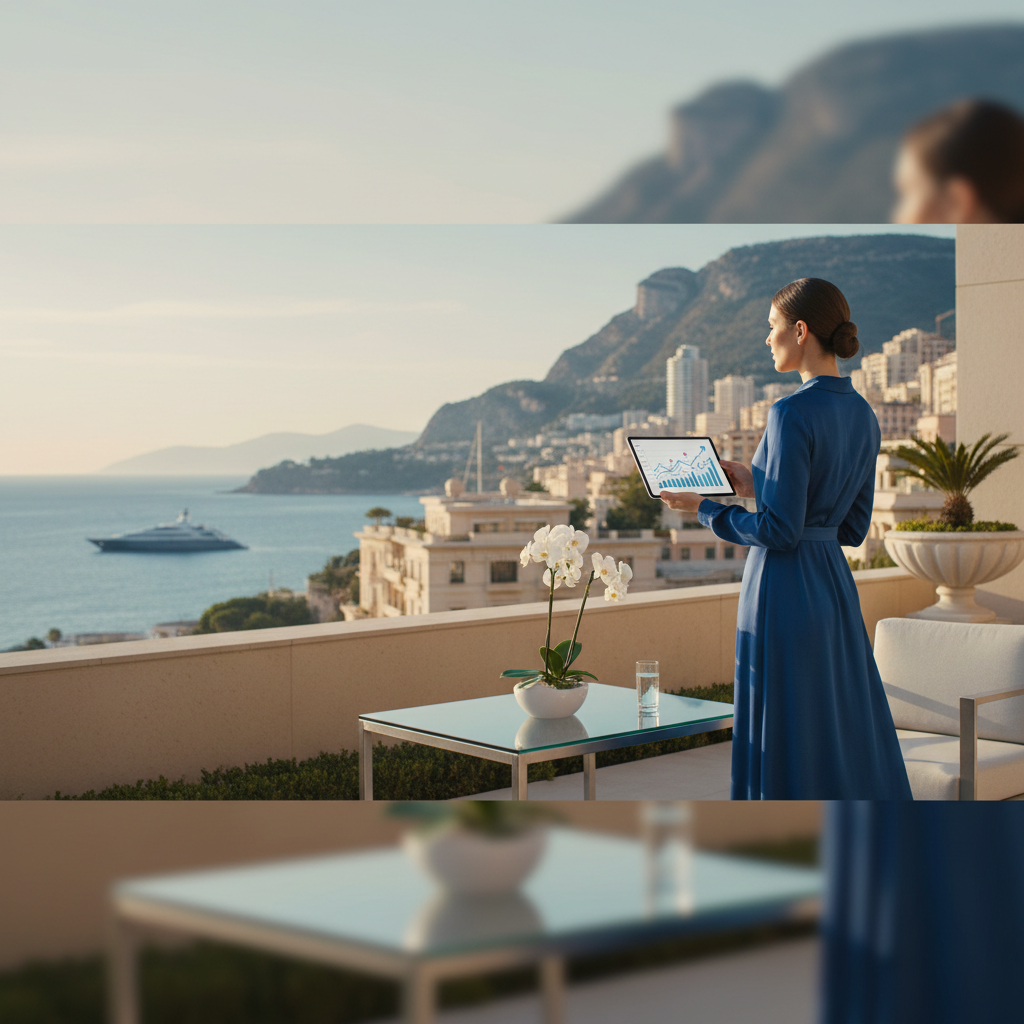
The luxury landscape, long accustomed to established patterns of consumption and wealth management, is now experiencing an unprecedented period of flux. At the heart of this transformation lies the seismic shift in generational wealth and the concomitant evolution of consumer values among High-Net-Worth Individuals (HNWIs). For luxury brands, financial advisors, real estate professionals, and lifestyle service providers, grasping the distinct nuances of each generation – from the steadfast Boomers to the nascent, digitally native Gen Z – is not merely advantageous but absolutely critical for sustained success. This comprehensive exploration delves into the psychographics, motivations, and purchasing behaviours that define these diverse groups, offering a strategic compass for navigating the evolving luxury ecosystem.
The Shifting Sands of Wealth: A Generational Overview
Global wealth, particularly within the HNWI segment, is undergoing a significant transfer. As Boomers age, their substantial accumulated assets are gradually transitioning to younger generations, primarily Gen X and Millennials. This intergenerational wealth transfer, projected to be one of the largest in history, reshapes not only the demographics of wealth but also the very definition of luxury itself. Understanding the historical context and value systems of each generation is the first step towards effectively engaging with them.
Boomers (Born 1946-1964): The Architects of Modern Luxury
Boomers represent a generation often defined by their post-war optimism, strong work ethic, and accumulation of significant wealth throughout their careers. They are, in many ways, the architects of the modern luxury market as we know it, having driven demand for aspirational goods and services for decades. Their approach to luxury is often rooted in tangible assets, provenance, and a sense of achievement.
Characteristics and Values:
- Established Values: Boomers value tradition, quality, and heritage. They are often loyal to brands that have consistently delivered excellence.
- Tangible Assets: Luxury for Boomers often manifests in tangible forms: substantial real estate portfolios (including second homes in exclusive locations like Monaco), classic automobiles, fine jewellery, and art collections.
- Service Expectation: White-glove service, discretion, and personalised attention from trusted advisors are paramount. They expect a seamless and highly professional experience.
- Status and Legacy: While not overtly ostentatious for all, luxury often signifies status, a reward for hard work, and a legacy to be passed down.
- Information Consumption: Traditional media (print, established news outlets) remains influential, alongside recommendations from their trusted network.
Engagement Strategies:
For luxury brands and service providers, engaging with Boomer HNWIs requires focusing on proven value, deep expertise, and a personalised, high-touch approach. Emphasising heritage, craftsmanship, and the long-term investment potential of luxury items resonates strongly. Building enduring relationships based on trust and a consistent track record of exceptional service is key. Digital engagement tends to be more functional, such as efficient booking systems or secure communication channels, rather than purely social.
Generation X (Born 1965-1980): The Independent & Discerning Segment
Sandwiched between two larger generations, Gen X HNWIs are often characterised by their independence, pragmatism, and a healthy scepticism towards overt marketing. They came of age during periods of significant economic and technological change, fostering a more discerning and individualistic approach to luxury. Many Gen Xers are now at the peak of their earning power and wealth accumulation.
Characteristics and Values:
- Work-Life Balance: While hard-working, Gen X places a higher premium on work-life balance and experiences that enrich their lives and their families.
- Authenticity and Quality: They seek authenticity, high quality, and functionality. Logo-centric luxury is less appealing; substance over flash is preferred.
- Experiential Luxury: Luxury travel, bespoke experiences, and services that simplify their lives (e.g., private jet charters, personal concierge services) are highly valued.
- Brand Loyalty (Conditional): They can be brand loyal, but only if the brand continues to meet their high standards and evolving needs. They are less swayed by marketing hype.
- Information Consumption: A blend of traditional and digital sources. They research thoroughly online but also rely on peer recommendations and expert reviews.
Engagement Strategies:
Engaging Gen X HNWIs demands a focus on authentic narratives, clear value propositions, and a demonstration of how a luxury product or service enhances their lifestyle or solves a problem. Personalisation should be smart and efficient, recognising their time constraints. Highlight unique experiences and discreet exclusivity rather than overt displays of wealth. Digital platforms are crucial for research and convenient interaction, but the in-person experience remains vital for decision-making. Consider how your offerings contribute to a family-centric lifestyle or support personal enrichment.
Millennials (Born 1981-1996): The Purpose-Driven Powerhouse
Millennial HNWIs are rapidly becoming the dominant force in the luxury market. Having grown up with the internet, they are digitally fluent, globally aware, and often driven by strong ethical and social considerations. Their approach to luxury is highly nuanced, blending personal expression with a desire for impact and unique experiences.
Characteristics and Values:
- Sustainability and Ethics: A high priority is placed on sustainability, ethical sourcing, and corporate social responsibility. They are willing to pay a premium for brands aligned with their values. For instance, interest in concepts detailed in Monaco's Green Horizon resonates strongly.
- Experience Over Ownership: Experiences (transformative travel, wellness retreats, cultural immersions) often take precedence over material possessions. When they do purchase goods, there's often an experiential component or story attached.
- Personalisation and Customisation: They crave hyper-personalisation, bespoke items, and opportunities to co-create or express their individuality through luxury.
- Digital Natives: Social media, online reviews, and influencer marketing significantly impact their purchasing decisions. They expect seamless digital interactions across all touchpoints.
- Community and Belonging: They value brands that foster a sense of community, exclusivity, and shared values.
- Investment in Wellbeing: Health, wellness, and self-care are major luxury spending categories.
Engagement Strategies:
To capture the Millennial HNWI market, luxury brands must embed sustainability and ethical practices into their core operations and communicate these transparently. Offer unique, curated experiences that go beyond mere transactions. Digital engagement must be sophisticated, authentic, and multi-channel, leveraging social media, personalised content, and immersive online experiences. Transparency, brand storytelling that resonates with their values, and opportunities for co-creation are key. The New Trinity of Luxury is a concept highly relevant to this demographic.
Generation Z (Born 1997-2012): The Future of Luxury, Defined by Digital Identity
While the youngest HNWI segment, Gen Z (or 'Zoomers') are already influencing the luxury market significantly. They are the first truly digital-native generation, growing up with smartphones and social media as integral parts of their lives. Their approach to luxury is largely shaped by their online identities, a fluid definition of self, and a strong collective consciousness.
Characteristics and Values:
- Hyper-Digital and Always On: Social media is not just a tool but a primary means of self-expression, discovery, and communication. Visual platforms like Instagram, TikTok, and new metaverse spaces are crucial.
- Fluid Identity & Self-Expression: They use luxury as a tool for self-expression and to define their multifaceted identities, which can be less fixed and more fluid than previous generations.
- Radical Transparency & Authenticity: Gen Z demands extreme transparency from brands regarding their supply chains, labour practices, and environmental impact. Inauthenticity is quickly exposed.
- Individualism & Uniqueness: They seek unique, limited-edition, and customisable items that allow them to stand out. Mainstream luxury can be less appealing if it lacks personal significance.
- Value for Money (for entry-level luxury): While they will pay for unique experiences or hyper-personalisation, they are also shrewd consumers, particularly for entry-level luxury items, comparing value and impact.
- Social Conscious: Even more so than Millennials, Gen Z HNWIs are deeply concerned with social justice, environmental issues, and brand activism.
- Early Adoption & Microtrends: They are quick to identify and adopt new trends, often driven by micro-influencers and online communities.
Engagement Strategies:
Engaging Gen Z HNWIs requires an entirely new playbook. Brands must be authentically present and responsive across digital platforms, including emerging ones. Storytelling needs to be concise, visually engaging, and highly interactive. Co-creation, personalised digital experiences (e.g., NFTs, virtual try-ons, metaverse activations), and demonstrating a clear commitment to social and environmental causes will be vital. They value brands that empower them to express themselves and contribute to a better world. Consider the insights discussed in Navigating Monaco's Digital Horizon for relevant technological shifts.
Strategic Implications for Luxury Professionals
The clear divergence in values and behaviours across these generations presents both challenges and unparalleled opportunities for luxury professionals. A 'one-size-fits-all' approach is no longer tenable; instead, a sophisticated, multi-faceted strategy is required.
- Personalisation at Scale: Moving beyond simple customisation, true personalisation involves understanding individual preferences, generational nuances, and anticipating needs. This requires robust data analytics and sophisticated CRM systems. Monaco Academy's programs educate on these advanced techniques.
- Omnichannel Excellence: The customer journey is rarely linear. HNWIs across all generations expect seamless transitions between online and offline channels. For instance, a Boomer might research an investment opportunity online but prefer to finalise details in person, while a Millennial might discover a bespoke piece on Instagram, customise it online, and collect it from a physical atelier.
- Authenticity and Transparency: These are non-negotiable, particularly for younger generations. Brands must not only *do* good but also authentically *communicate* their efforts without greenwashing or tokenism.
- Experiential Focus: While Boomers appreciate the comfort and exclusivity of experiences, Millennials and Gen Z actively seek out transformative, unique, and shareable moments. Luxury brands must evolve to become purveyors of experiences, not just products.
- Sustainability as a Core Value: Integrating sustainability into the brand's DNA is no longer a niche consideration but a fundamental expectation, especially for younger HNWIs. This includes everything from supply chain ethics to carbon footprint.
- Leveraging Technology Thoughtfully: From AI-driven recommendations to metaverse activations, technology can enhance the luxury experience across generations. However, its application must be strategic and add genuine value, not just novelty. For instance, mastering the digital atelier is crucial.
- Talent Development: Luxury organisations need to cultivate teams that understand and can effectively serve this diverse client base. This often means investing in training that covers generational psychology, digital fluency, and cross-cultural communication.
- Building Trust and Legacy: For long-term relationships, especially with Boomers and Gen X, trust remains paramount. For Millennials and Gen Z, trust is built through shared values and transparent practices. Building a legacy for younger HNWIs might involve impact investing or philanthropic initiatives aligning with their social concerns.
The Role of Education and Adaptation
In this rapidly shifting environment, continuous learning and strategic adaptation are paramount. Professionals in the luxury sector – whether managing wealth, curating bespoke experiences, or developing high-end products – must equip themselves with the knowledge to understand and cater to these evolving client needs.
Educational institutions like Monaco Academy play a pivotal role in preparing current and future leaders for this complex landscape. Our programs are designed to provide deep insights into luxury market dynamics, consumer psychology, and the strategic application of technology and sustainability principles. By understanding the intricate interplay of heritage, innovation, and generational values, our students are better positioned to navigate the challenges and seize the opportunities presented by this exciting era of transformation.
The Monaco Perspective: A Microcosm of Global Luxury Shifts
The Principality of Monaco, with its unique concentration of HNWIs from across the globe and diverse backgrounds, offers a compelling microcosm for observing these generational shifts firsthand. The demand for luxury real estate in Monaco, for instance, reflects these trends: while Boomers may seek established residences with classic elegance, younger HNWIs might gravitate towards modern, sustainably designed properties incorporating smart home technology and bespoke amenities.
Similarly, the financial services sector in Monaco is adapting. Wealth managers are not just focusing on traditional asset protection but also on impact investing opportunities and digital asset management, appealing to the priorities of Gen X, Millennials, and Gen Z. The evolution detailed in Monaco's Strategic Pivot highlights this adaptability.
The luxury hospitality and yachting industries, cornerstones of the Monegasque economy, are also keenly aware of these changes. Personalised, technology-enhanced service that respects privacy, alongside unique, eco-conscious experiences, is becoming the standard. From bespoke superyacht charters with sustainable itineraries to wellness retreats integrating cutting-edge health tech, offerings are being meticulously crafted to appeal to specific generational preferences.
Conclusion: Cultivating Next-Generation Relationships
The luxury sector stands at an exhilarating inflection point. The interplay of generational wealth transfer, rapidly evolving values, and technological advancements promises a dynamic future. For those looking to excel in this space, merely tracking trends is insufficient; a deep, empathetic understanding of each HNWI generation is essential. By embracing authenticity, prioritising experiences, integrating sustainability, and leveraging technology with discernment, luxury professionals can forge enduring relationships, safeguard legacies, and unlock new avenues for growth across the diverse spectrum of wealth. The journey is complex, but with foresight and strategic adaptation, the opportunities for innovation and success are boundless.
Tagged
Written by
Monaco Academy Editorial
Editorial Team
Put this into practice
Courses and programs on this subject
Luxury Brand Management Course
Become a Certified Luxury Brand Manager, mastering the art and science of building and sustaining prestigious brands in a competitive global market.
Fashion Entrepreneurship Course
Become a Certified Fashion Entrepreneur, mastering the art of launching and scaling a successful luxury fashion brand from concept to global market.

Luxury Influencer Business Course
Become a Certified Luxury Influencer Entrepreneur, mastering brand partnerships, content creation, and monetization in the high-end market.
Related programs
Continue reading
Related articles
24 October 2026 · 11 min
Monaco News and Insights — trend analysis with concrete examples
The Principality of Monaco continues to occupy an exceptional position in the global macroeconomic landscape, functioning not merely as a sovereign sanctuary for ultra-high-net-worth individuals (UHNWIs) but as an agile laboratory for the future of luxury c…
20 October 2026 · 12 min
Monaco News and Insights — deep-dive explainer with practical takeaways
In an era characterised by swift regulatory realignments, macroeconomic turbulence, and shifting global wealth corridors, tracking Monaco news and insights is no longer merely an exercise in following elite society or sovereign prestige. For family office p…
15 October 2026 · 13 min
Press Releases — deep-dive explainer with practical takeaways
In the rarefied echelons of luxury business, where reputation is paramount and perception shapes destiny, the humble press release has undergone a profound transformation. Far from its historical role as a mere factual announcement, today’s luxury press rel…