
The Reshaping Horizon: Navigating Emerging Trends in Luxury Business with Strategic Agility
The luxury business landscape is in constant flux, shaped by evolving consumer expectations, technological advancements, and a growing emphasis on sustainability. This deep dive explores the critical emerging trends redefining the sector, offering strategic insights for professionals aiming to thrive amidst transformation.
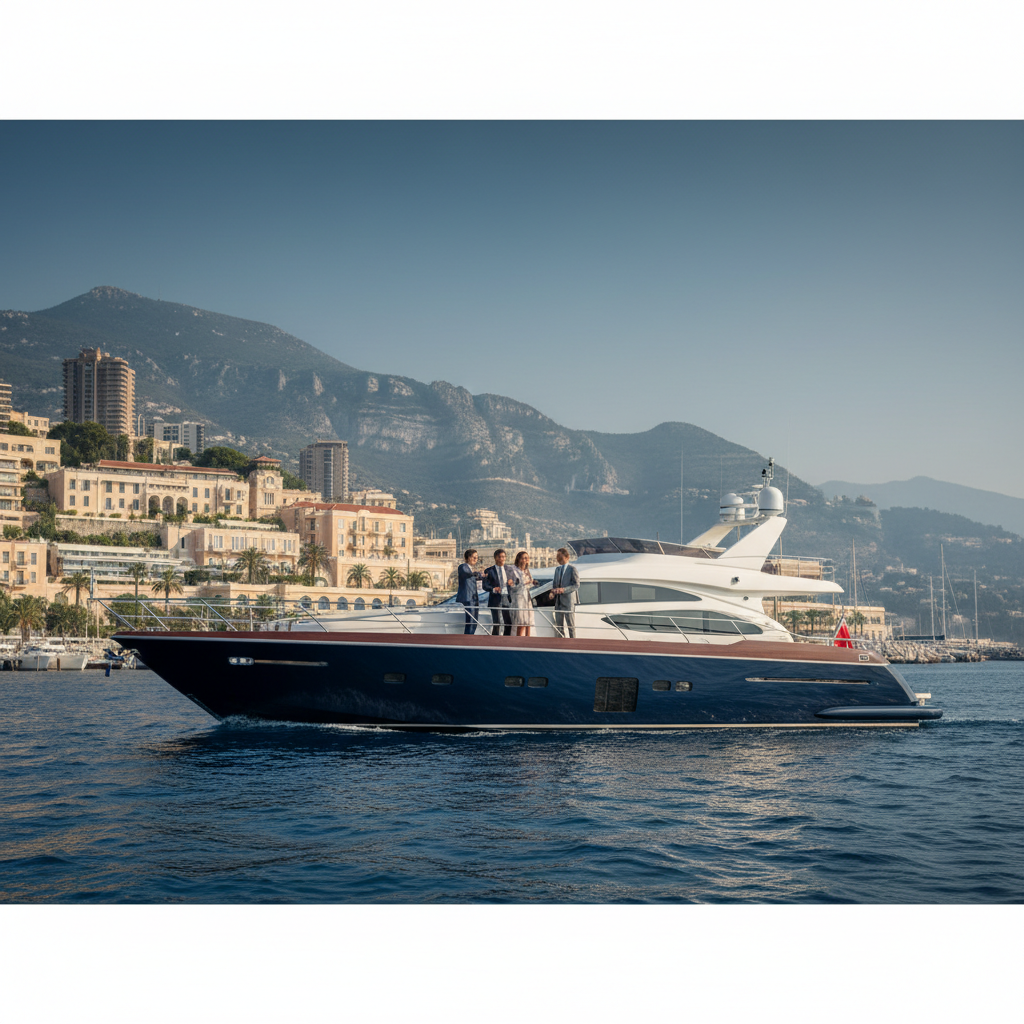
The luxury landscape is in a perpetual state of evolution, shaped by technological advancements, shifting consumer values, and geopolitical dynamics. To thrive in this sophisticated environment, professionals must possess a keen understanding of emergent trends and the foresight to adapt strategically. This comprehensive analysis delves into the most compelling transformations currently redefining the luxury sector, offering concrete examples and actionable insights for ambitious professionals, advisors, entrepreneurs, and High-Net-Worth Individual (HNWI) service providers. From sustainability imperatives to the metaverse's immersive experiences, and from the resurgence of bespoke craftsmanship to the profound impact of data analytics, understanding these shifts is paramount for sustained success and relevance in a market that rewards innovation and discernment.
The Imperative of Sustainability and Ethical Luxury
Once a niche concern, sustainability has ascended to become a foundational pillar of modern luxury. Discerning consumers, particularly younger generations and environmentally conscious HNWIs, demand transparency, ethical sourcing, and a demonstrable commitment to environmental stewardship. This shift is not merely about compliance; it represents a profound re-evaluation of value, where a brand's integrity and its impact on the world are as important as its aesthetic appeal or heritage. Luxury brands are now tasked with integrating sustainable practices across their entire value chain, from raw material acquisition to product lifecycle management and beyond.
Eco-Conscious Materials and Production Processes
The adoption of sustainable materials is a significant trend. Brands are increasingly exploring alternatives such as recycled gold, lab-grown diamonds, organic cotton, innovative plant-based leathers, and upcycled fabrics. This extends beyond the product itself to packaging, where biodegradable or recyclable materials are becoming the norm. Production processes are also under scrutiny, with a focus on reducing carbon footprints, minimising waste, and ensuring fair labour practices. For instance, several haute couture houses are now championing 'upcycling' – transforming existing garments or materials into new, unique pieces, thereby extending their lifecycle and reducing environmental impact. This meticulous approach to material selection and manufacturing is increasingly highlighted in brand narratives, serving as a powerful differentiator in a crowded market.
Circular Economy Models and Longevity
The concept of a circular economy, where products are designed for durability, repair, and eventual recycling, is gaining traction within luxury. This paradigm shift counters the traditional linear "take-make-dispose" model. Brands are investing in repair services, offering authentication and resale platforms, and even designing products that can be disassembled and their components reused. This not only appeals to environmentally conscious consumers but also reinforces the inherent value proposition of luxury goods: their longevity and enduring quality. A luxury watch, for example, is not merely an accessory but an heirloom, a testament to craftsmanship designed to last generations. The ability to maintain, repair, and even re-certify these items adds substantial value, bolstering client trust and fostering brand loyalty. For those managing such assets, understanding these extended lifecycle dynamics is crucial. Professionals keen on mastering the nuances of high-value asset management, from operational excellence to client relations, might explore advanced education such as the Luxury Watch Dealership Course or the Luxury Yacht Manager Course.
Traceability and Transparency
Digital technologies, such as blockchain, are being deployed to enhance traceability and transparency within the luxury supply chain. Consumers want to know the origin of their purchases, the conditions under which they were made, and the environmental impact associated with their creation. Providing authenticated provenance and ethical journey information builds immense trust and strengthens the emotional connection between brand and consumer. This move towards granular disclosure empowers consumers to make informed choices that align with their personal values, moving beyond simple brand recognition to a deeper appreciation of ethical stewardship.
The Digital Frontier: Metaverse, NFTs, and AI
The digital realm is no longer just a marketing channel for luxury; it is becoming an integral part of its product offering, brand experience, and operational infrastructure. The emergence of the metaverse, Non-Fungible Tokens (NFTs), and advanced Artificial Intelligence (AI) presents both unprecedented opportunities and complex challenges for luxury brands.
Metaverse and Virtual Experiences
The metaverse, a persistent and immersive digital environment, offers luxury brands new avenues for storytelling, product launches, and client engagement. Virtual fashion shows, digital-only collections, and exclusive brand experiences within virtual worlds are becoming increasingly common. These platforms allow brands to reach new audiences, experiment with creative concepts without physical constraints, and offer unique, interactive experiences that complement their physical offerings. For example, some luxury car manufacturers are now offering virtual test drives of upcoming models within metaverse environments, providing a realistic and engaging preview to prospective buyers globally. This blending of the physical and virtual extends the brand's reach and allows for innovative customer journeys.
NFTs and Digital Ownership
NFTs provide a mechanism for verifiable digital ownership, a concept particularly resonant with luxury's emphasis on exclusivity and authenticity. Brands are using NFTs to represent digital artwork, virtual fashion items, and even as certificates of authenticity for physical goods. They can also unlock exclusive access to events, communities, or bespoke services, creating a new layer of digital luxury. The scarcity and uniqueness inherent in NFTs mirror the traditional values of haute couture and limited-edition releases, creating a compelling new dimension for collectors and enthusiasts. Understanding the digital asset landscape, including its financial implications, is becoming increasingly relevant for wealth advisors, who might consider a Wealth & Investment Management Course to navigate this evolving investment frontier.
Artificial Intelligence and Personalisation
AI is transforming various facets of the luxury business, from predictive analytics in inventory management to hyper-personalisation in client engagement. AI-powered algorithms can analyse vast amounts of data to anticipate consumer preferences, recommend tailored products, and optimise marketing campaigns. Chatbots and virtual assistants powered by AI are enhancing customer service, providing instant support and personalised recommendations. In design, AI can even assist in generating new patterns or customising products based on individual client specifications, pushing the boundaries of bespoke luxury. This sophisticated use of AI allows brands to deliver an unparalleled level of personalised service at scale, further solidifying the exclusivity and intimacy of the luxury experience.
The Resurgence of Bespoke and Experiential Luxury
In an increasingly commoditised world, the true essence of luxury often lies in its uniqueness, its bespoke nature, and the unforgettable experiences it provides. Consumers are seeking more than just products; they desire narratives, connections, and moments that are tailor-made and deeply personal.
The Art of Bespoke Craftsmanship
There is a renewed appreciation for bespoke services and artisanal craftsmanship. From custom-made clothing and jewellery to personalised interiors for private jets and yachts, the demand for items meticulously created to individual specifications is flourishing. This trend celebrates the mastery of skilled artisans, the scarcity of handmade items, and the inherent value of something truly unique. Brands are investing in preserving traditional crafts and offering clients unparalleled opportunities for co-creation, making them an integral part of the design process. This return to the 'atelier' ethos underscores the enduring appeal of human skill and artistic expression in the age of mass production.
Immersive Experiential Journeys
Beyond tangible goods, luxury is increasingly defined by extraordinary experiences. This includes curated travel itineraries, exclusive access to cultural events, private culinary adventures, and health and wellness retreats tailored to individual needs. Brands are diversifying their offerings to provide comprehensive lifestyle solutions, moving from selling products to curating entire worlds of experience. These experiences are often intimate, exclusive, and designed to create lasting memories, fostering a deeper emotional bond with the client. For professionals aspiring to orchestrate such high-calibre events, a qualification like the Luxury Event Management Course provides essential skills and insights into creating unparalleled experiences for discerning clientele.
Here are key elements of successful experiential luxury offerings:
- Exclusivity: Access to typically inaccessible locations, events, or individuals.
- Personalisation: Tailored itineraries and services that reflect individual preferences and desires.
- Authenticity: Genuine cultural immersion or interaction with local traditions and experts.
- Transformation: Experiences designed to educate, inspire, or evoke a profound emotional response.
- Seamless Execution: Flawless logistics and attentive service that anticipates every need.
The Rise of Luxury Concierge Services
Supporting this demand for bespoke and experiential luxury is the flourishing sector of luxury concierge services. These professionals act as gatekeepers to the extraordinary, orchestrating complex requests and managing intricate logistics for HNWIs. From securing last-minute reservations at Michelin-starred restaurants to arranging private charters or sourcing rare collectibles, the luxury concierge is indispensable in curating an elite lifestyle. Their role is to anticipate needs, provide expert advice, and execute flawless arrangements, ensuring that every client experience is seamless and exceptional. For those looking to enter this dynamic field, the Luxury Lifestyle Concierge Course offers comprehensive training in bespoke service and exclusive access management.
Evolving Demographics and Geographies
The luxury market is witnessing significant shifts in its consumer base and geographical centres of influence. Understanding these demographic changes and emerging markets is crucial for strategic growth and market penetration.
The Influence of Gen Z and Millennials
Younger generations, particularly Gen Z and Millennials, are rapidly becoming key drivers of luxury consumption. They bring with them distinct values, including a strong emphasis on sustainability, authenticity, social responsibility, and digital fluency. These consumers are less swayed by overt brand displays and more by a brand's narrative, its ethical stance, and its alignment with their personal values. They engage with brands primarily through digital channels, demand interactive experiences, and are comfortable with virtual luxury. Brands must adapt their communication strategies and product offerings to resonate with these digitally native and socially conscious demographics.
Emerging Markets and Globalisation
While established markets like Europe and North America remain significant, emerging economies, particularly in Asia, the Middle East, and parts of Africa, are demonstrating substantial growth in luxury consumption. A burgeoning middle class and an increasing number of HNWIs in these regions represent immense untapped potential. Brands must develop nuanced strategies that respect local cultures, traditions, and consumer preferences, rather than simply replicating Western models. This requires deep market intelligence, localised product development, and culturally sensitive marketing campaigns. The strategic importance of understanding diverse global markets and local economic nuances for luxury professionals and HNWI advisors cannot be overstated. Insights into these areas can be found in discussions around Monaco's Evolving Economic Landscape, which often touches on global economic shifts.
The Power of Data Analytics and Client Relationship Management (CRM)
In the high-stakes world of luxury, understanding the client is paramount. Advanced data analytics and sophisticated CRM systems are no longer optional but essential tools for fostering deep, enduring relationships and driving personalised engagement.
Predictive Analytics for Personalisation
Luxury brands are leveraging big data and predictive analytics to gain profound insights into client behaviour, preferences, and future needs. By analysing purchase history, browsing patterns, social media activity, and engagement with marketing campaigns, brands can anticipate desires and offer highly personalised recommendations. This data-driven approach allows for proactive service, tailored communications, and the timely presentation of products or experiences that genuinely resonate with individual clients. This moves beyond basic segmentation to truly understand each client's unique luxury journey.
Enhanced CRM for Bespoke Service
Robust CRM systems are the backbone of modern luxury client management. They consolidate all client interactions, preferences, and historical data into a single, accessible platform, enabling a seamless and consistent service experience across all touchpoints. This allows sales associates, concierges, and customer service teams to provide hyper-personalised attention, recalling past conversations, anticipating needs, and celebrating significant milestones. The goal is to make each client feel uniquely valued and understood, replicating the intimacy of a personal relationship at scale. The effectiveness of a CRM is not just in its data collection but in how that data informs the bespoke services offered, from personalised shopping experiences to invitations to exclusive events.
Measuring Engagement and Loyalty
Data analytics also plays a crucial role in measuring the effectiveness of marketing campaigns and client retention strategies. Brands can track engagement metrics, customer lifetime value, and loyalty program participation to refine their approaches and optimise resource allocation. Understanding which initiatives drive the strongest client bonds allows for continuous improvement and the development of more impactful strategies. In an industry where loyalty is paramount, data provides the tangible evidence of successful client relationship cultivation.
Conclusion: Mastering the Modern Luxury Paradigm
The luxury industry stands at a fascinating juncture, simultaneously honouring its rich heritage while boldly embracing innovation. Success in this dynamic landscape hinges on an agile mindset, a commitment to ethical practices, and an unwavering focus on the discerning client. From championing sustainability and leveraging digital frontiers like the metaverse and NFTs, to re-emphasising bespoke craftsmanship and immersive experiences, the path forward requires strategic adaptation and visionary leadership.
Monaco Academy is dedicated to equipping professionals with the knowledge and skills necessary to navigate these complex trends. By fostering a deep understanding of market dynamics, emerging technologies, and evolving consumer values, we empower our students to not only anticipate change but to drive it. The future of luxury belongs to those who can seamlessly blend tradition with innovation, authenticity with digital prowess, and exclusivity with profound purpose. Embracing these shifts is not merely about staying competitive; it is about defining the next chapter of luxury itself, creating enduring value and unparalleled experiences for the world's most discerning individuals.
Tagged
Written by
Monaco Academy Editorial
Editorial Team
Put this into practice
Courses and programs on this subject

Fashion Entrepreneurship Course
Become a Certified Fashion Entrepreneur, mastering the art of launching and scaling a successful luxury fashion brand from concept to global market.
Luxury Hotel Management Course
Become a Certified Luxury Hotel Manager, mastering operational excellence and unparalleled guest experiences in the elite hospitality sector.

Aircraft Brokerage Course
Become a Certified Aircraft Broker, navigating the exclusive world of private aviation sales and acquisitions with unparalleled expertise.
Related programs
Continue reading
Related articles
29 October 2026 · 12 min
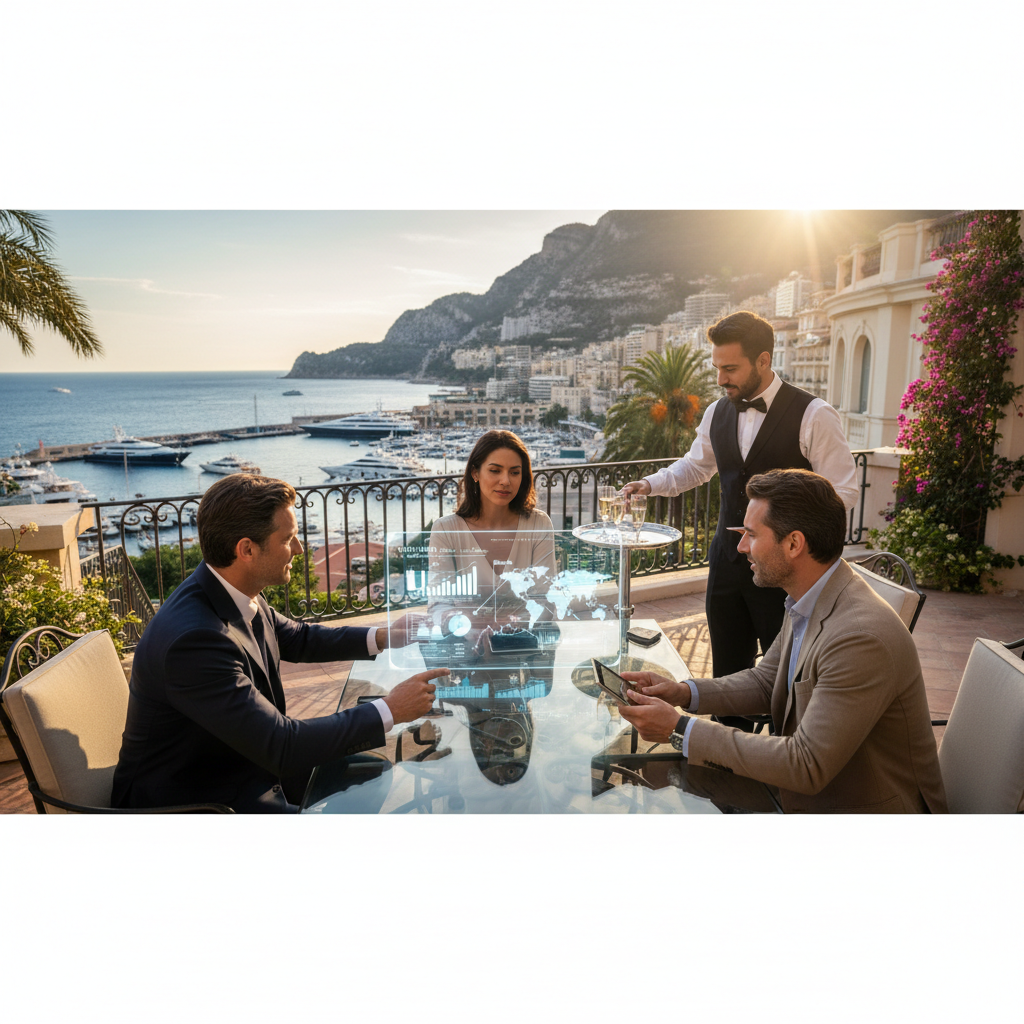
The Next Frontier of Bespoke Advisory: Navigating Multi-Asset Portfolios and Sovereign Mobility for UHNWIs
An authoritative analysis of how shifting cross-border regulations, global mobility mandates, and high-value tangible assets are redefining strategic advisory standards for modern family offices and luxury executives.
17 October 2026 · 11 min
Monaco Academy Unveils Advanced Certification: Navigating the Evolving Landscape of Sustainable Luxury Finance
Monaco Academy announces a new advanced certification designed for luxury professionals and HNWI advisors. This program offers deep insights into sustainable investment strategies, green finance principles, and impact investing within the luxury sector, aligning with Monaco's leadership in ethical wealth management and environmental stewardship.
10 October 2026 · 12 min
Monaco Academy Insights: Navigating the Future of Luxury Leadership in a Dynamic World – A Trend Analysis with Concrete Examples
Explore the cutting-edge trends shaping the luxury sector and discover how visionary leaders are adapting to a rapidly evolving global landscape. This Monaco Academy exclusive offers a deep dive into strategic innovations, sustainability imperatives, and the digital transformation driving success for professionals and HNWI service providers.